Water Leak Sensors for UAE Summer Travel: Placement & Alerts
An empty home with the AC still running can leak quietly for weeks. A few inexpensive sensors, placed in the right spots and tested before you fly, will tell you on your phone.
By the SmartHomes.ae team · Updated 17 October 2026
In short: put a water leak sensor under each likely leak point, including the AC condensate drain or fan-coil tray, the water heater, the washing machine and the kitchen sink. Add a temperature and humidity monitor so you know whether the AC is still doing its job.
If you cook on LPG, fit a gas detector too. Then set up push alerts and test every device before you leave. Battery sensors need no wiring. Anything mains-wired must be installed by a qualified electrician.
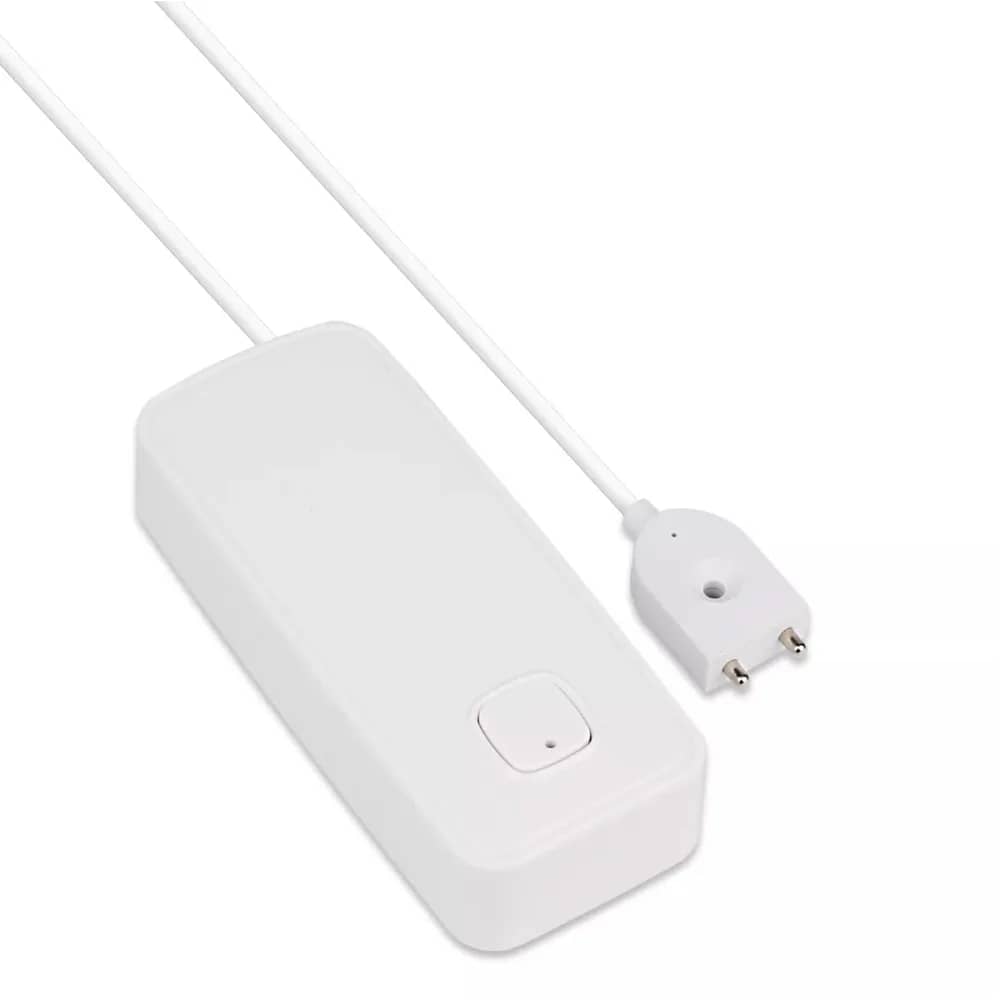
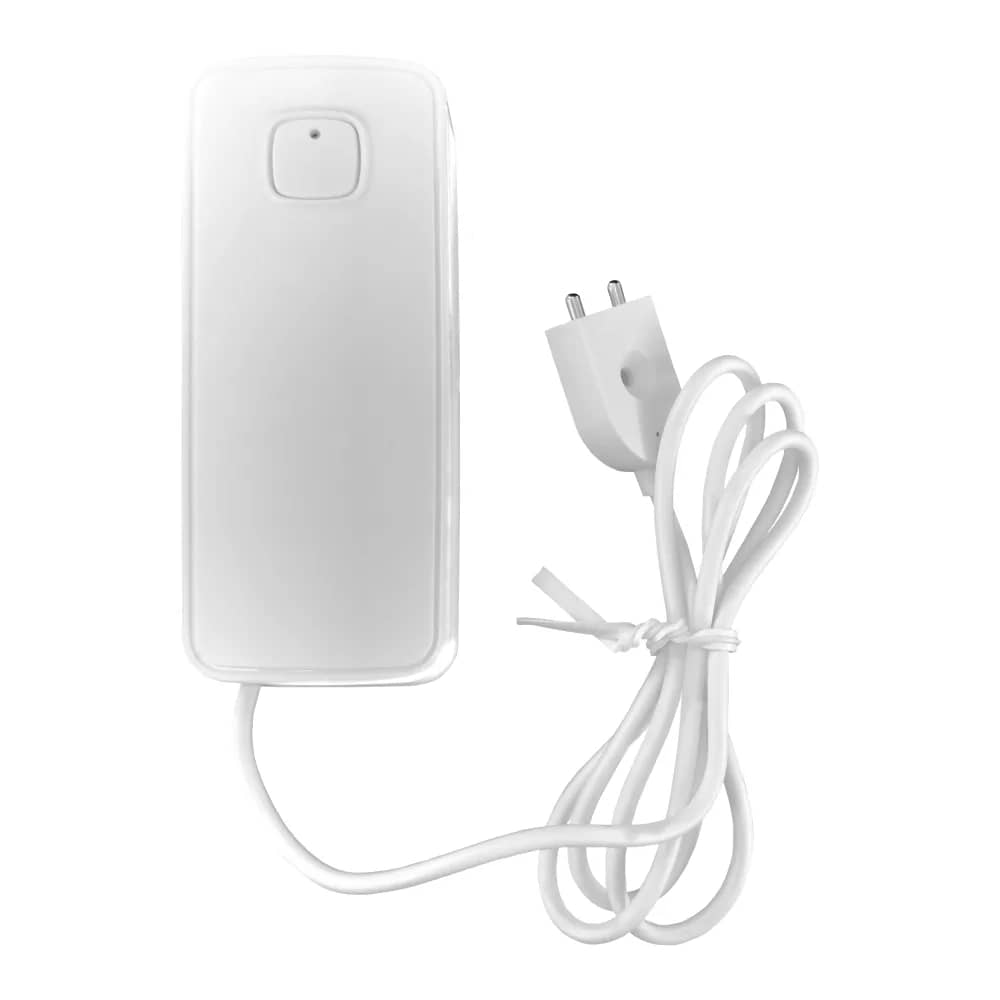
The simplest protection for a UAE home left empty over summer is a set of water leak sensors that send an alert to your phone. Put one wherever water can escape unseen: under the AC or fan-coil unit, beside the water heater, behind the washing machine and dishwasher, and under sinks. Our Luxion Wi-Fi Flood Sensor (from AED 81) connects directly to home Wi-Fi and sends push notifications when it detects water.
Leaks are only half the risk. If you switch the AC off, humidity can build up. If you leave it on, the condensate line keeps working the whole time you are away. A temperature and humidity monitor, plus a gas detector in LPG kitchens, completes a sensible travel setup. The sections below cover placement, Wi-Fi vs Zigbee, and how to make sure the alerts actually reach you.
What can go wrong in an empty home in summer
Most summer problems come from systems that keep running while nobody is watching:
- AC condensate drains. Split units and fan-coil units produce condensate continuously. A blocked drain line or an overflowing tray can drip into ceilings, cupboards or floors for days before anyone notices.
- Water heaters. A failing valve, fitting or tank can leak slowly, often inside a cupboard or above a false ceiling.
- Washing machines and dishwashers. Inlet hoses and connections are common leak points. Closing the supply valves before you travel is good practice.
- Sinks and toilets. Flexible connectors and cistern fittings can fail at any time.
- Heat and humidity. If the AC trips or is switched off, indoor temperature and humidity rise. That can encourage mould and musty smells, and it can affect furniture and electronics.
- Gas. In kitchens with LPG cylinders or piped gas, a leak is a safety risk, not just a nuisance.
None of this can be prevented by a sensor. What a sensor does is shorten the time between the problem starting and someone you trust being sent round to deal with it.
Where to place leak sensors
Leak sensors detect water touching their contacts, so they must sit flat on the floor or tray at the lowest point where water would collect. Good locations:
- Under or beside the indoor AC / fan-coil unit, or in the drip tray if there is room. Check the area where the condensate pipe runs, too.
- On the floor next to the water heater, especially if it sits in a cupboard or utility room.
- Behind the washing machine and dishwasher, near the hose connections.
- Under the kitchen sink and bathroom vanities, inside the cabinet.
- Near any floor drain that has backed up before.
Tips that make a difference:
- Keep sensors where you can reach them to dry and reset them.
- Do not place them where mopping or a pet bowl will trigger false alarms.
- Check the product page and manual for the power source and battery type, and fit fresh batteries before a long trip.
- Label each sensor in the app by location (for example "Kitchen sink" rather than "Sensor 2"). An alert is far more useful when it tells you exactly where to send someone.
Battery-powered leak sensors stand on the floor and need no wiring. That makes them suitable for tenants: the unified Ejari tenancy contract does not allow alterations without the landlord's written approval, but a loose sensor is not an alteration. You can browse more options in our Smart Sensors category.
Humidity and temperature: AC on or off?
Whether to leave the AC running is a personal and building-specific decision. Some buildings and landlords have their own expectations, so check yours. Each option carries a risk:
- AC left on: the condensate drain keeps working, so leak sensors near the unit matter most.
- AC switched off: no condensate, but indoor heat and humidity can climb, which is when mould becomes a concern.
Either way, a temperature and humidity monitor tells you what is actually happening inside. The Sonoff THR316 (from AED 58) is a Wi-Fi relay with temperature and humidity monitoring through the eWeLink app. It also works with Alexa and Google Home.
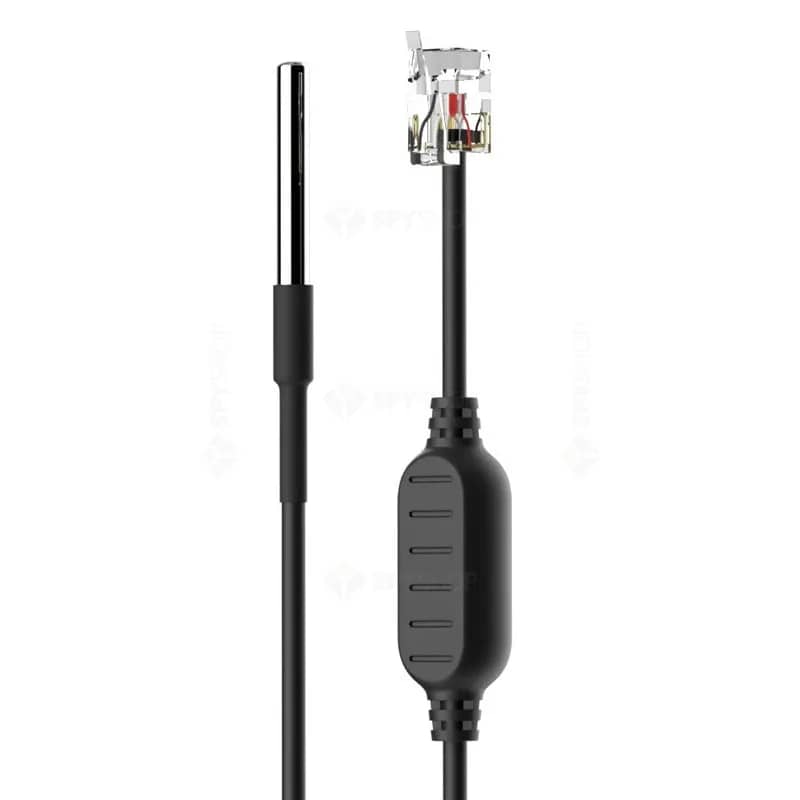
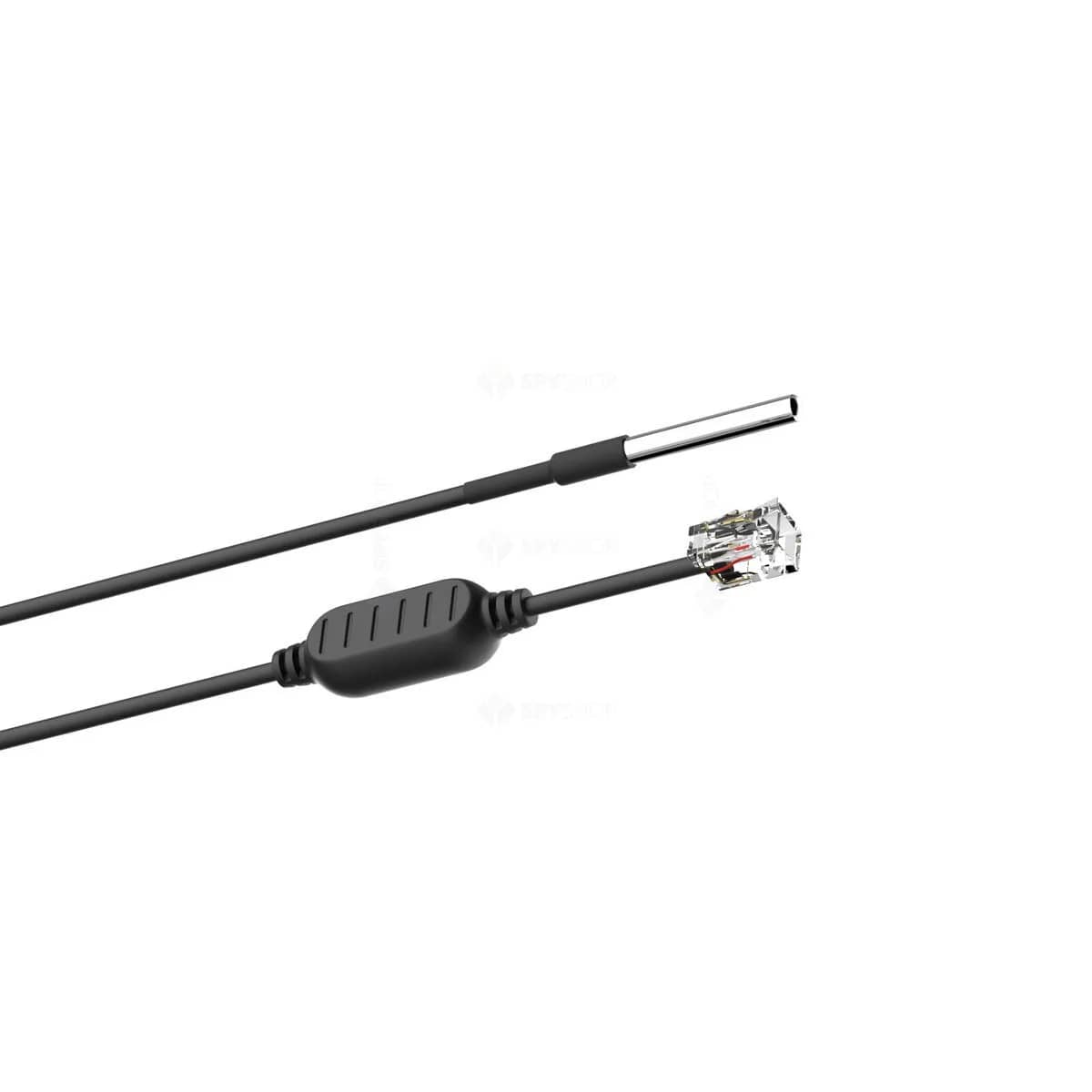
Because it is a relay, it is mains-wired. Installation must be done by a qualified electrician, following your local authority's rules (DEWA in Dubai, ADDC/AADC in Abu Dhabi, SEWA in Sharjah). Check the product page for which temperature/humidity sensor it uses and whether one is included. Note that the Sonoff WTS01 waterproof probe is listed for the TH16/TH20, so confirm compatibility before ordering it as an add-on.
If you have a fan-coil AC with a compatible wired thermostat, a Wi-Fi thermostat lets you check and change the set point from abroad. The BeOk TDS21WIFI-AC4 (from AED 238) is designed for fan-coil systems and controls fans and valves by room temperature via an app. Before buying, confirm your system type (2-pipe or 4-pipe) and wiring against the datasheet. See all options in Wi-Fi Thermostats.
Wi-Fi vs Zigbee sensors
| Wi-Fi sensors | Zigbee sensors | |
|---|---|---|
| Hub needed | No, they connect to your router | Yes, a compatible Zigbee hub |
| Set-up | Simple for one or two devices | Hub first, then pair sensors |
| Dependence | Router and internet must stay on | Hub, router and internet must stay on |
| Best for | A small number of sensors | Many sensors within one brand's system |
For a handful of leak points, Wi-Fi sensors are the easiest route. If you want many sensors, a Zigbee hub can make sense, but hubs are often brand-specific. The Orvibo VS20ZW mini hub (from AED 87) connects up to 50 sensors but works with Orvibo products only. Always check that a sensor and hub are listed as compatible. More hubs are in Smart Hubs.
Whichever you choose, do not switch off the router or let your internet subscription lapse while you are away. Without a connection, no alerts can reach you.
Gas detectors for LPG kitchens
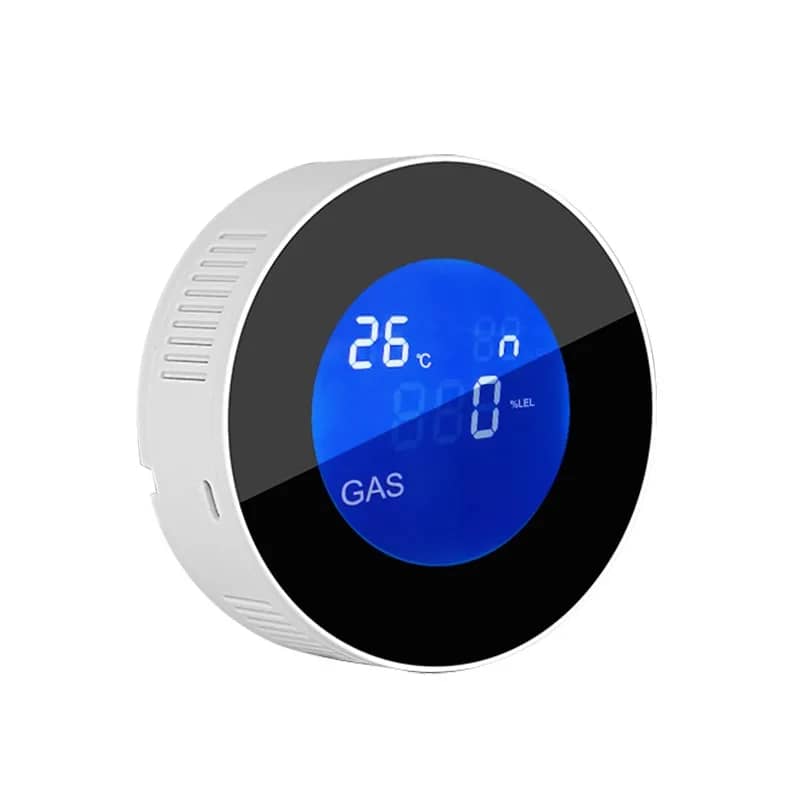
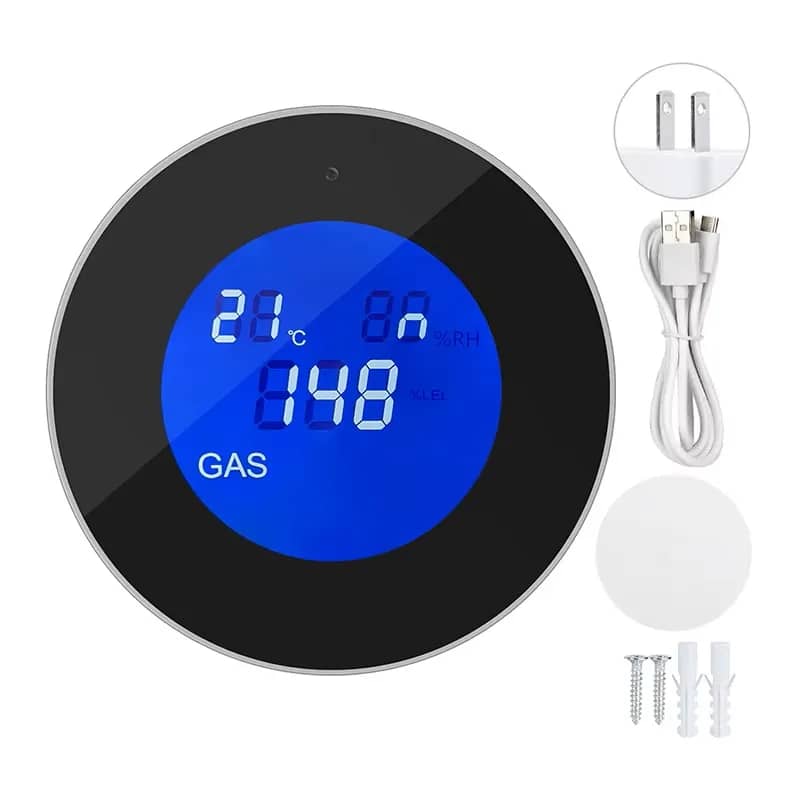
Many UAE kitchens use LPG cylinders or piped gas. The Luxion Wi-Fi Smart Gas Sensor LX-BG-GS01 (from AED 158) detects natural gas and LPG leaks. It sounds a 70 dB alarm and sends phone alerts through the Tuya Smart or Smart Life app.
Placement depends on the gas. LPG is heavier than air and settles low, while natural gas is lighter and rises. Follow the mounting height in the manufacturer's instructions for your gas type. Check the product page for how the detector is powered. If it needs a fixed connection, have an electrician install it.
A detector is a warning device, not a replacement for safe practice. Before travelling, close the cylinder valve or gas supply. If you ever get an alert, do not operate electrical switches near the leak, and contact your gas supplier or emergency services.
Setting up alerts on your phone
- Install the right app. Luxion sensors listed for Tuya / Smart Life use that app. Sonoff devices use eWeLink. Check each product page for the exact app.
- Connect to 2.4 GHz Wi-Fi if required. Many smart sensors cannot join a 5 GHz-only network, so confirm the requirement in the manual.
- Enable notifications for the app in your phone settings. Check that battery-saving modes do not block them.
- Share the home with a trusted person in the UAE (a neighbour, friend or building contact) so they receive the same alerts and can actually get to the property.
- Test everything. Touch the leak sensor contacts with a damp cloth and confirm the alert arrives. Then go out of Wi-Fi range and test again on mobile data.
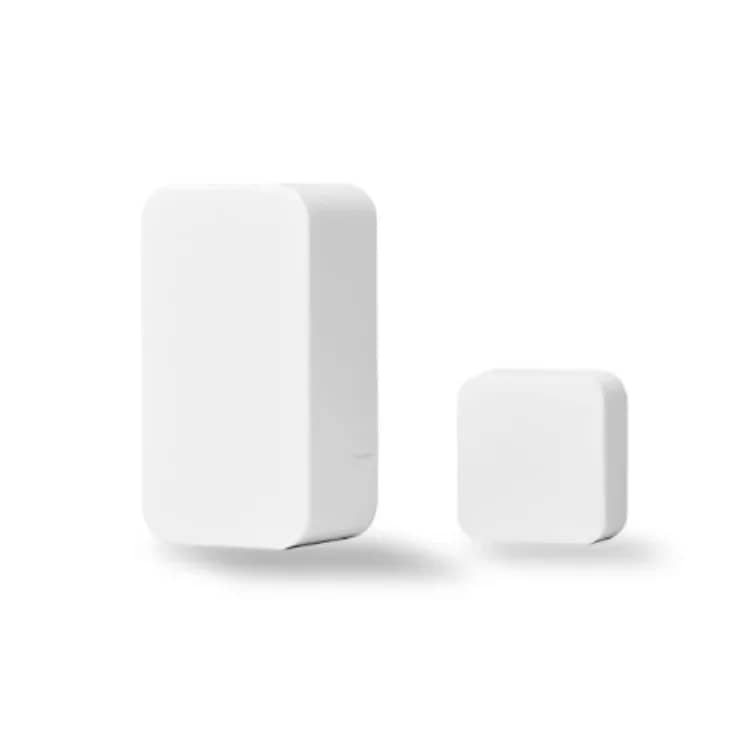
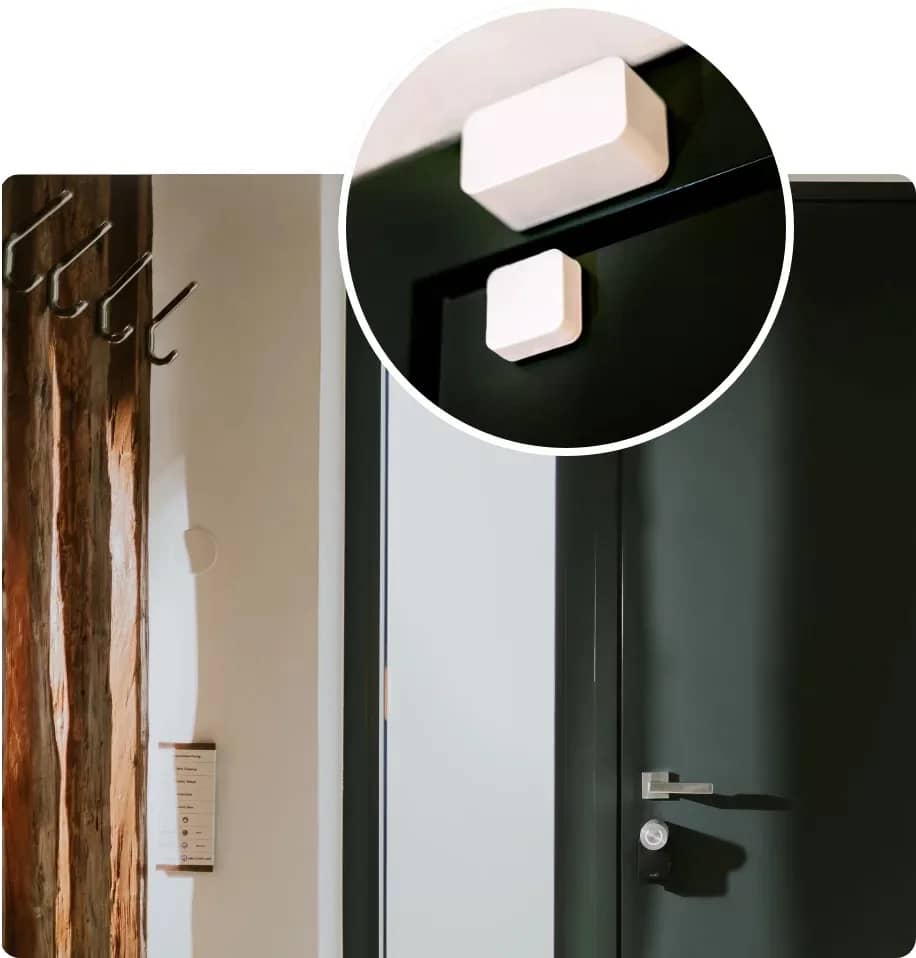
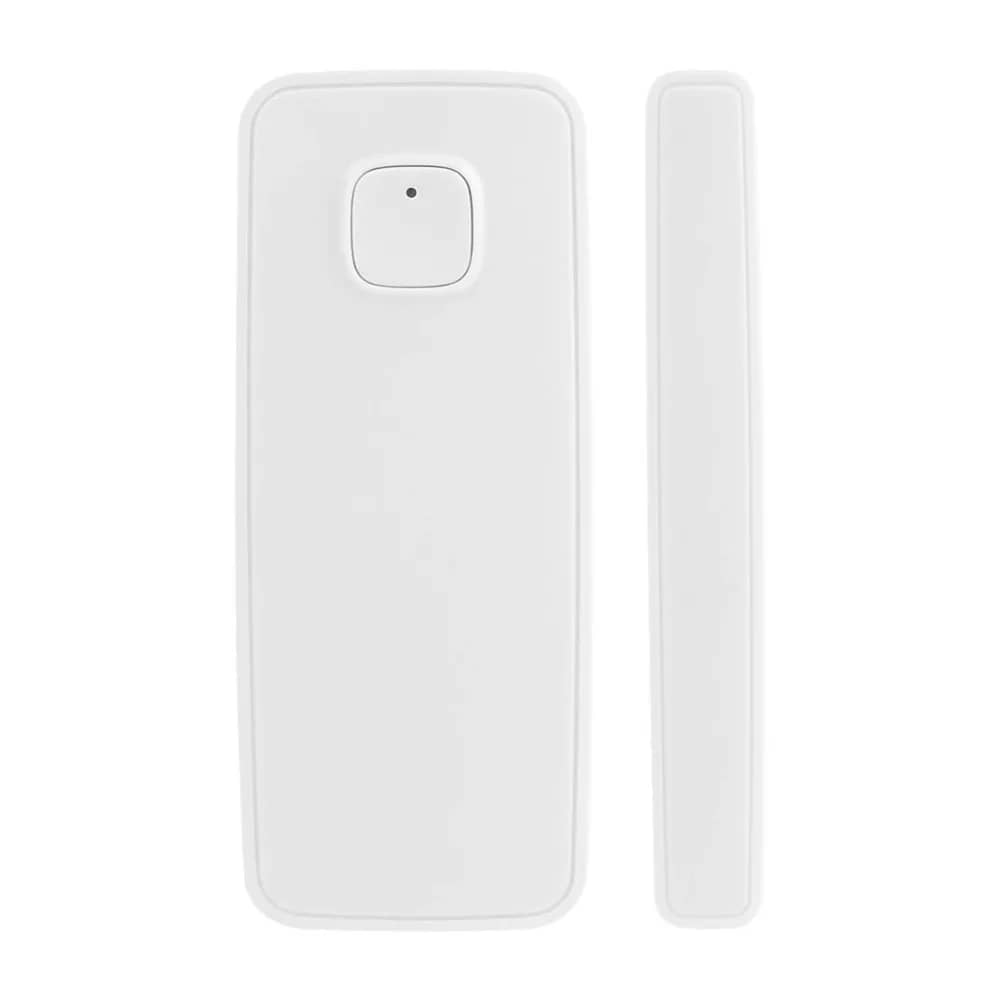
- Add extras if useful. A Luxion door and window sensor (from AED 46) alerts you via Smart Life whenever the front door opens, which is handy when someone visits to check the flat.
If you want to switch an appliance remotely, look at Wi-Fi Relays. Relays are wired into fixed circuits, so they must be installed by a qualified electrician in line with DEWA, ADDC/AADC or SEWA rules. Tenants also need the landlord's written approval.
Prices are shown in AED from our current catalogue; tables with totals are examples. The product page always shows the live price.
Frequently asked questions
Where should I put a water leak sensor?
Flat on the floor at the lowest point where water would collect: under the AC or fan-coil unit, beside the water heater, behind the washing machine and dishwasher, and under sinks.
Do Wi-Fi leak sensors need a hub?
No. Wi-Fi sensors such as the Luxion LX-BG-WW1 connect to your router. Zigbee sensors need a compatible Zigbee hub.
Can tenants install leak sensors?
Battery-powered sensors that simply sit on the floor need no wiring. Any change to fixed wiring needs the landlord's written approval and a qualified electrician.
Does the Luxion gas sensor detect LPG?
Yes. It is listed as detecting natural gas and LPG leaks, with a 70 dB alarm and alerts via Tuya Smart or Smart Life.
Will I still get alerts if my internet goes down?
No. Remote phone alerts depend on your router and internet connection staying on while you are away.
Should I leave the AC on while travelling?
It depends on your home and building. If it stays on, monitor the condensate drain for leaks. If it is off, monitor humidity and temperature.