E27, B22 or GU10? Choosing Smart Bulbs for UAE Homes
Before you buy a smart bulb, check the fitting in your light. Here is how to tell screw, bayonet and spotlight bases apart, and what to avoid once the bulb is in.
By the SmartHomes.ae team · Updated 17 October 2026
Quick answer: Take the old bulb out and look at its base. A threaded metal base is a screw fitting (E27 large, E14 small). A smooth base with two small side pins that pushes in and twists is a bayonet (B22). A spotlight with two short pins on its flat back is usually GU10.
Buy a smart bulb with exactly that base and a voltage rating that covers the UAE mains supply (nominally 230 V, 50 Hz). Never put a smart bulb behind a wall dimmer. Leave the wall switch on and dim from the app.
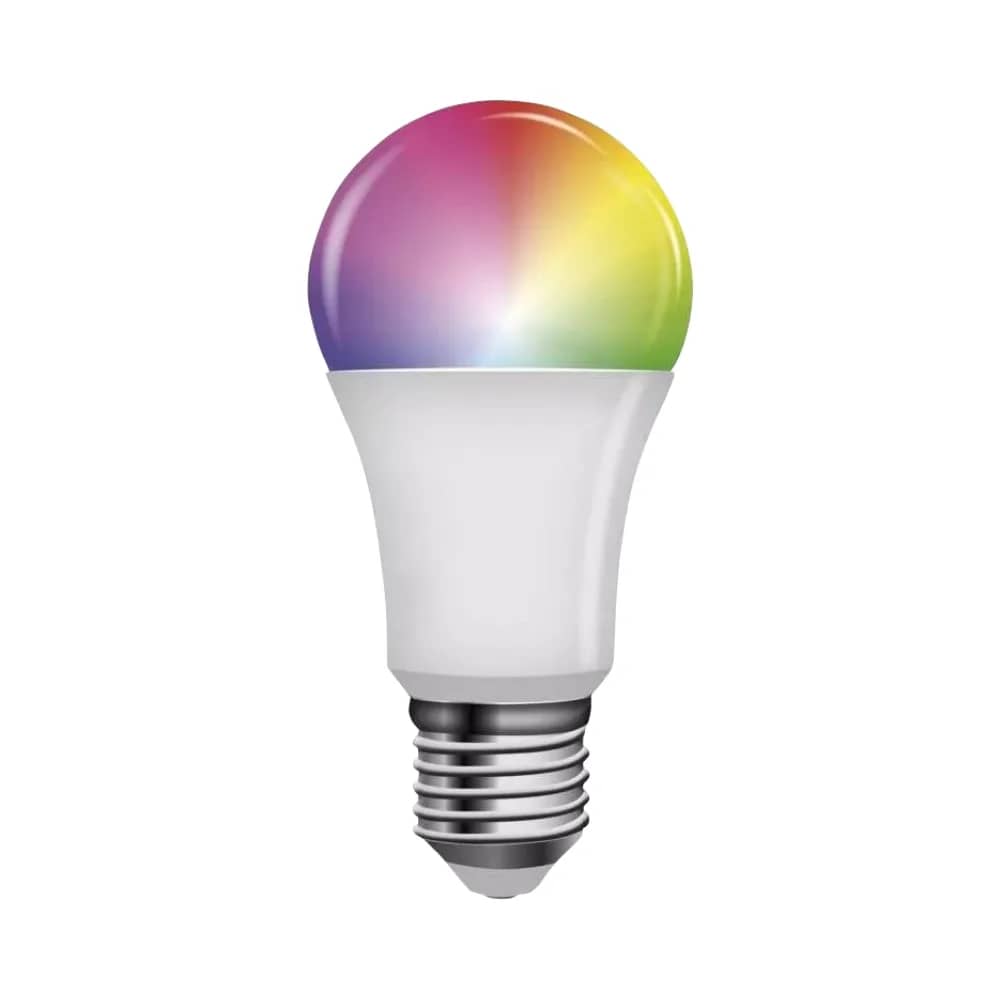
The right smart bulb is the one whose base matches your existing fitting. UAE homes often mix fittings, even within one flat. You might find screw-in E27 bulbs in pendant lights, small E14 bulbs in bedside lamps and chandeliers, push-and-twist B22 bayonet bulbs in some ceiling fittings, and GU10 spotlights in false ceilings. If you search for a B22 smart bulb, first confirm that you really have a bayonet holder. Adapters exist, but they add length and can stop a lampshade or diffuser from fitting.
Once the base is right, check three more things: brightness in lumens, colour temperature in kelvin, and how you will switch the light. Smart bulbs need constant power, so the wall switch has to stay on, and they must not be connected to a dimmer. The sections below cover each point. You can browse options in our smart bulbs category.
Identify your bulb fitting
Switch the light off at the wall and let the bulb cool before you remove it. Spotlights in particular can get hot. Then look at the base:
- Threads like a screw? It is an Edison screw. Measure across the threads: about 27 mm means E27, about 14 mm means E14. Most bulbs also have the code printed on the glass or base.
- Smooth metal cylinder with two small pins sticking out of the sides? It is a bayonet. In homes this is usually B22, which is 22 mm across. Push it in and twist to fit or release it.
- Small reflector-style spotlight with two stubby pins with flat "feet" on the back? That is GU10, which twists and locks into a mains-voltage holder.
- Spotlight with two thin straight pins? That is usually a low-voltage type such as GU5.3/MR16, which runs from a transformer. Do not swap it for a GU10 bulb. Check the type with an electrician before buying anything.
If the code is printed on the old bulb, photograph it before you shop. It saves guesswork and returns.
Screw vs bayonet vs spotlight
| Fitting | How to recognise it | Typical use | What to check |
|---|---|---|---|
| E27 | Large screw thread, about 27 mm | Pendants, ceiling lights, floor lamps | Bulb length and diameter fit inside the shade |
| E14 | Small screw thread, about 14 mm | Bedside lamps, chandeliers, wall lights | Candle or golf-ball shape fits the fitting |
| B22 | Push-and-twist, two side pins, about 22 mm | Ceiling holders, some lamps | Exact B22 base, not E27. Adapters add height |
| GU10 | Twist-lock spotlight with two stubby pins | Downlights in false ceilings | Bulb depth fits the recess and leaves room for heat |
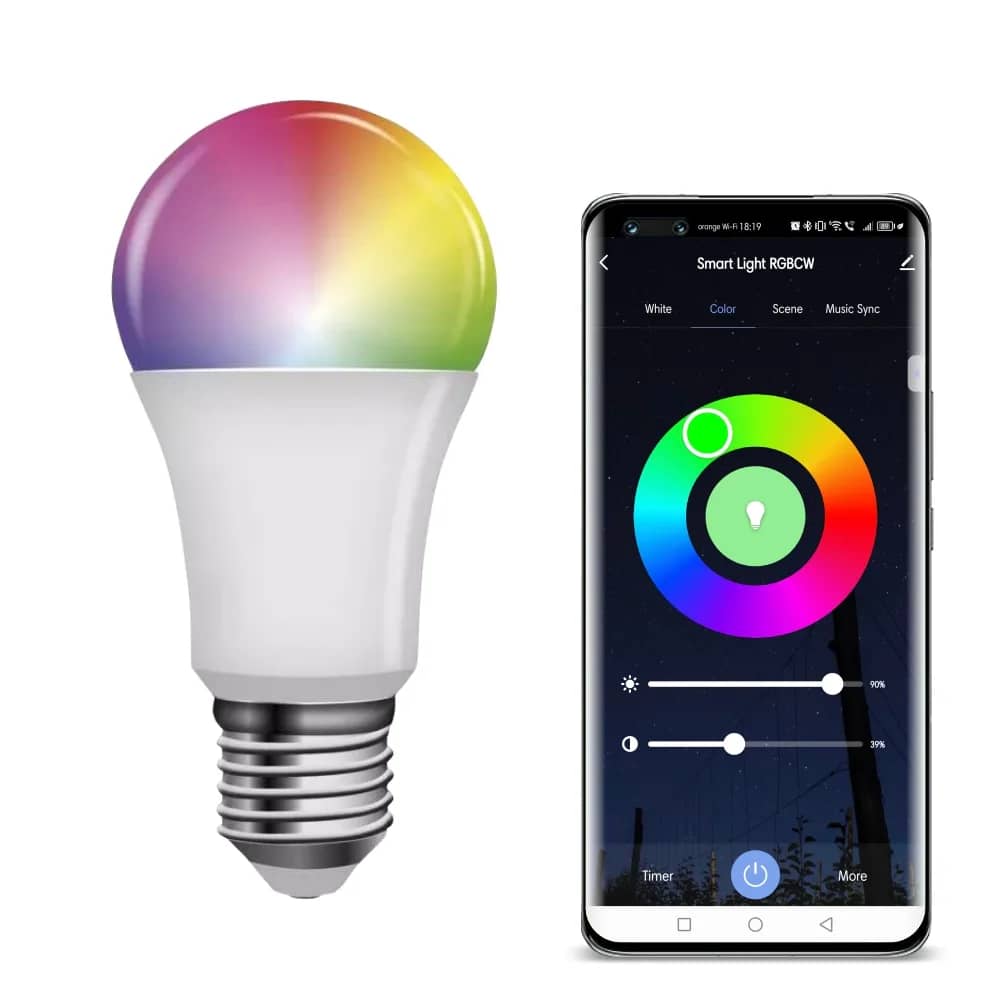
A smart bulb packs a radio and electronics into the base, so it is sometimes longer or wider than the bulb it replaces. Measure the space inside closed glass fittings and shallow downlights before ordering. Also check the radio type. Wi-Fi bulbs connect to your router directly. Zigbee bulbs usually need a compatible gateway from our smart hubs range. Bluetooth bulbs often work only nearby unless the brand offers a bridge. The product page or manual will tell you which app and assistant are supported. Alexa has officially been available in the UAE since 2021 in English and Khaleeji Arabic, but confirm that each bulb lists Alexa or Google Home support.
Brightness and colour temperature
Compare bulbs by lumens (light output), not watts. LED watts are much lower than the old incandescent figures. As a rough guide, about 800 lumens is similar to a traditional 60 W bulb. A single GU10 spotlight gives far less light than that, which is why ceilings use several.
Colour temperature is measured in kelvin (K):
- Around 2700 K: warm white, cosy, suits bedrooms and living rooms in the evening.
- Around 4000 K: neutral white, good for kitchens and work areas.
- Around 6500 K: cool daylight, crisp but harsh for relaxing.
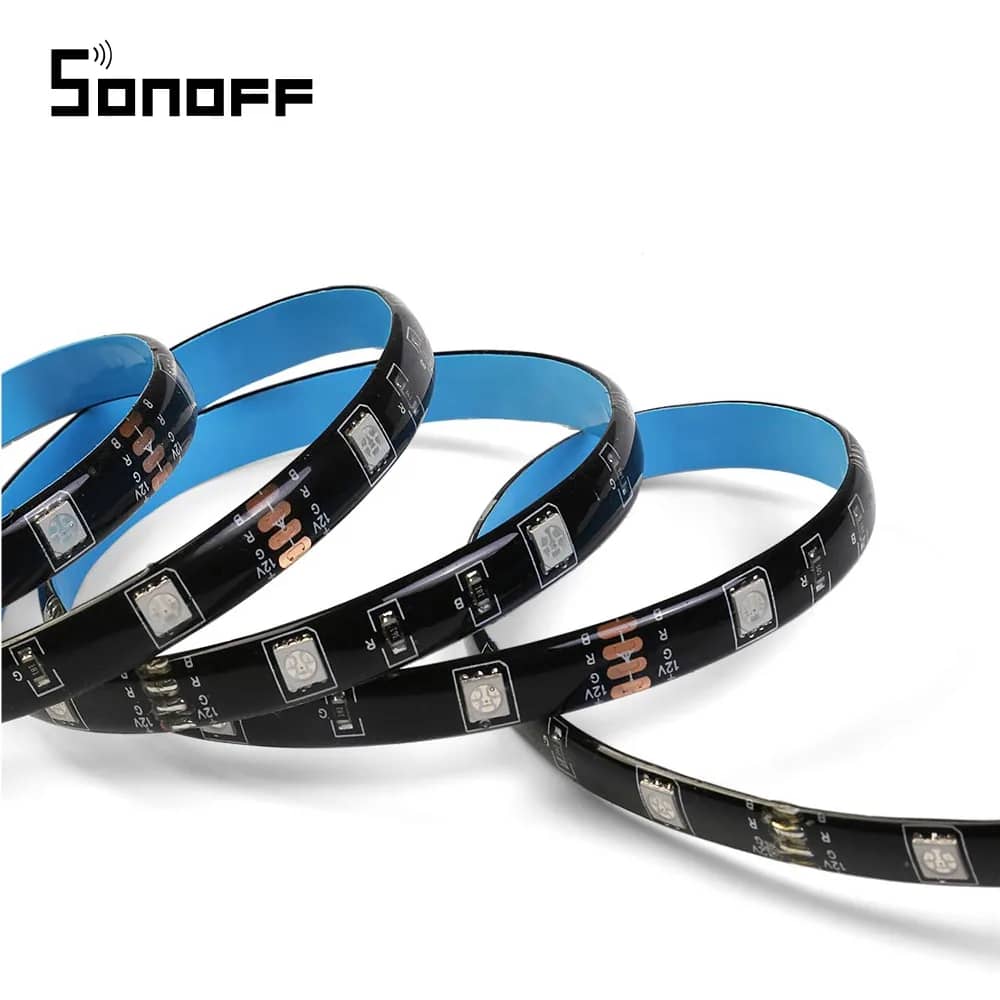
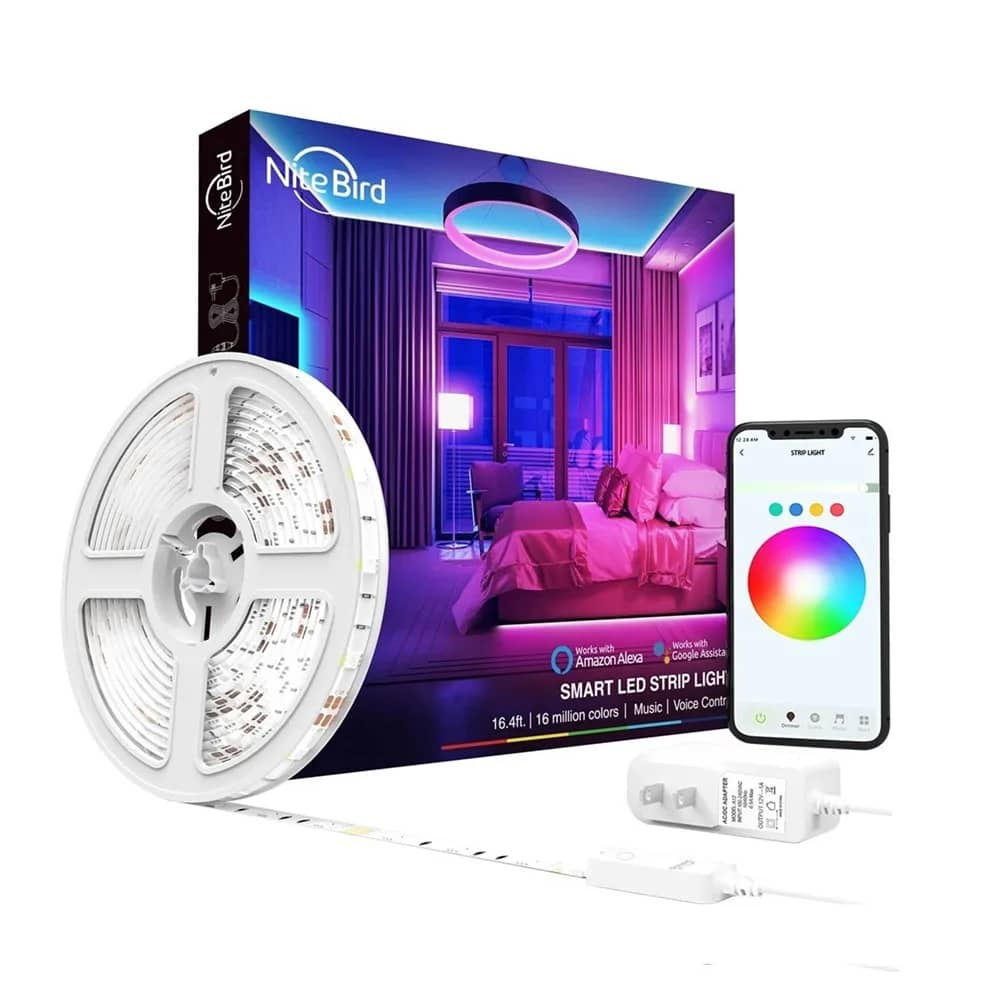
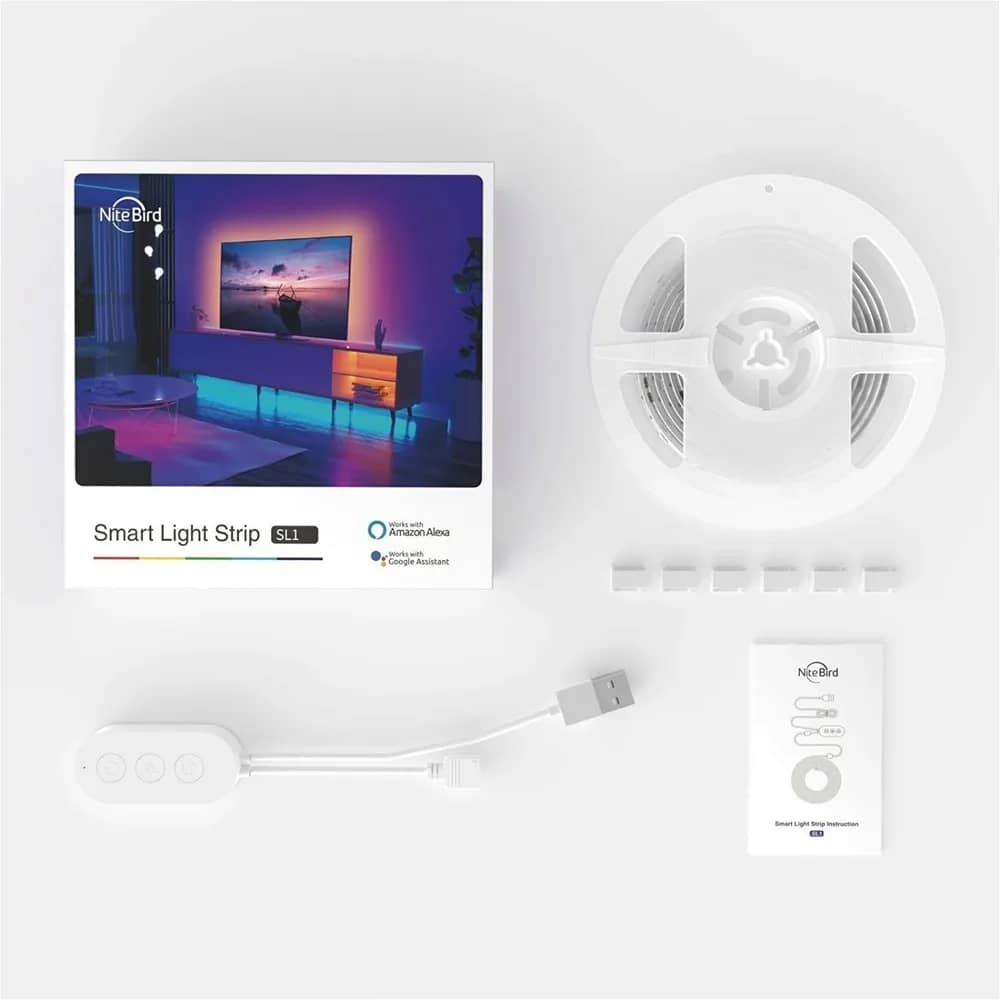
Tunable-white smart bulbs let you change between these levels from the app, and RGB bulbs add colour. If you mainly want coloured accent light behind a TV or under cabinets, a strip such as the Sonoff L1 smart RGB LED strip kit (from AED 127) may suit you better than a coloured bulb.
Smart bulb or smart switch?
A smart bulb is the simplest upgrade. You screw or twist it in, with no wiring. That makes it a good fit for tenants: the standard Ejari tenancy contract does not allow alterations without the landlord's written approval, and changing a bulb is not an alteration. The catch is that if someone turns the wall switch off, the bulb goes offline and the app cannot turn it back on.
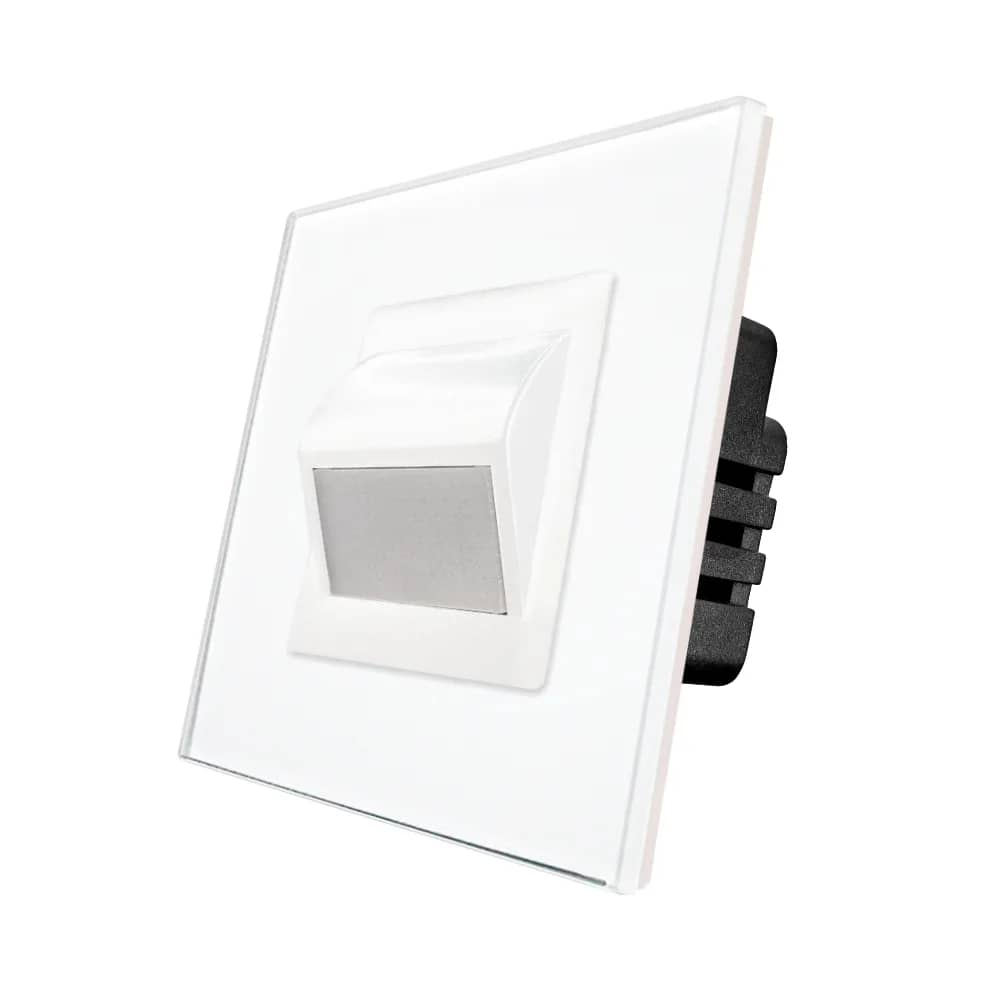
A smart wall switch controls the whole circuit, whatever bulbs or spotlights are in it. That suits rooms with many GU10 downlights, where buying one smart bulb per spotlight adds up. Examples include the Livolo 1 gang glass touch switch with Zigbee EC (from AED 83) and the Livolo 1 gang 2-way/intermediate touch switch (from AED 91), which is rated up to 5 A per circuit. Both are app-controlled through the Livolo Zigbee EC Wi-Fi hub (from AED 101). See all options in touch light switches.
Before choosing a switch, check three things: whether it needs a neutral wire, whether it is rated for your LED load, and whether it fits your back box. Many UAE homes use square BS 4662 boxes, while some European switches are designed for round 60 mm boxes. Fixed wiring work must be done by a qualified electrician and must follow your local authority's rules, such as DEWA in Dubai, ADDC/AADC in Abu Dhabi or SEWA in Sharjah. Tenants also need the landlord's written approval.
Do not combine the two on one circuit. A smart bulb behind a smart switch gives two layers of control that conflict. Pick one approach per light.
Avoid dimmers with smart bulbs
A smart bulb dims itself digitally. A wall dimmer works by chopping the mains supply. Put the two together and the bulb's electronics get an unstable supply. The usual results are flickering, buzzing, dropped connections, failure to respond and a shorter bulb life. Unless the manufacturer specifically says a bulb works with a wall dimmer, assume it does not.
- If the light is on a dimmer, either set it to full and leave it there, or have an electrician replace the dimmer with a standard switch.
- Mechanical dimmers such as the Luxion mechanical dimmer switch are meant for ordinary dimmable lamps, not smart bulbs. Check the dimmer's specification for compatible lamp types.
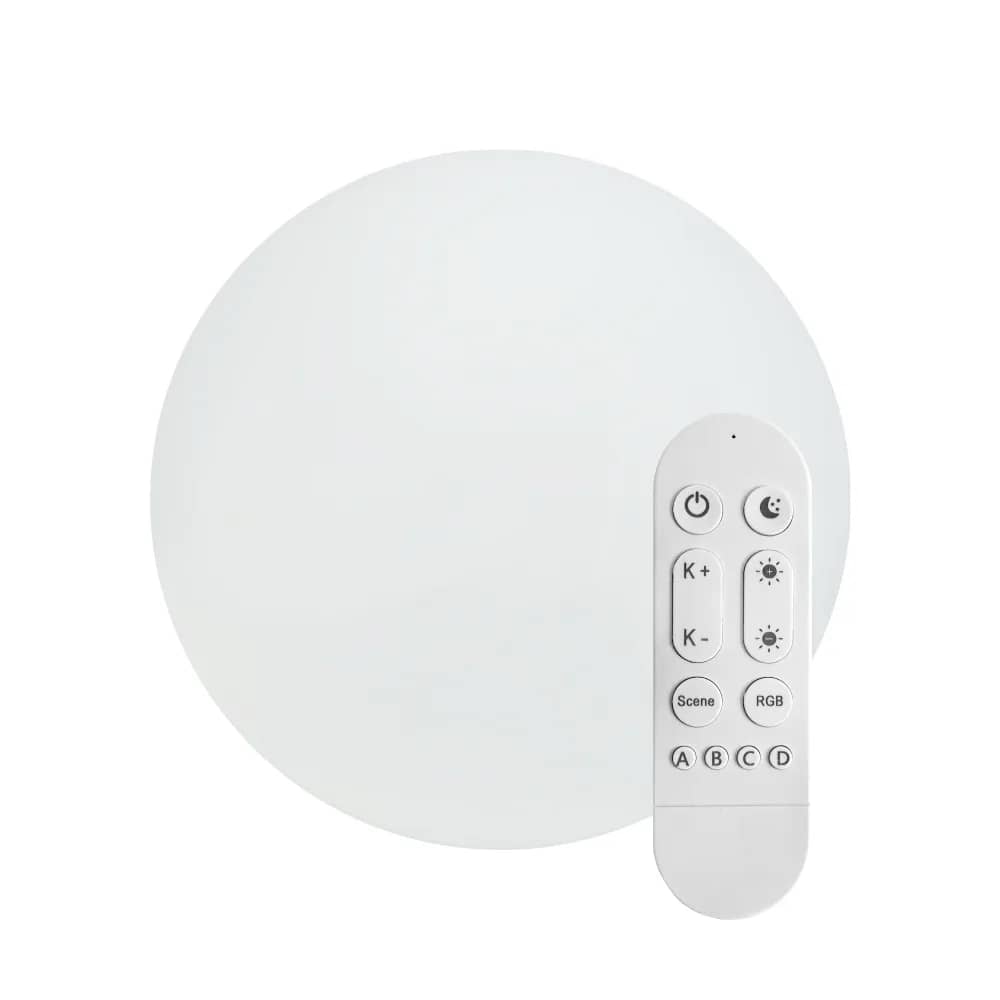
- Dim from the app, a voice assistant or the bulb maker's wireless remote instead.
The same applies to motion sensors and timers wired into the circuit. They cut power, so the bulb drops offline. Use one or the other, not both.
Prices are shown in AED from our current catalogue; tables with totals are examples. The product page always shows the live price.
Frequently asked questions
How do I tell if my bulb is B22 or E27?
E27 has a screw thread about 27 mm across. B22 has a smooth base with two side pins that you push in and twist. The code is often printed on the old bulb.
Can I use a smart bulb with a wall dimmer?
Generally no. Dimmers can cause flicker, buzzing and dropped connections. Set the dimmer to full or have it replaced with a standard switch, then dim from the app.
Do smart bulbs need a hub?
Wi-Fi bulbs usually connect to your router directly. Zigbee bulbs normally need a compatible gateway. Check the product page for the protocol and app.
Are smart bulbs suitable for tenants in the UAE?
Yes. Swapping a bulb needs no rewiring. Changes to fixed wiring need the landlord's written approval and a qualified electrician.
Should I choose smart bulbs or a smart switch for downlights?
For many GU10 spotlights on one circuit, a smart switch is often simpler. Check the neutral wire, load rating and back-box fit first.
What colour temperature should I choose?
Around 2700 K for warm, relaxed rooms, around 4000 K for kitchens and work areas, and around 6500 K for cool daylight. Tunable-white bulbs cover a range.