Touch Light Switches: What to Check Before You Buy
Seven checks, in the order they matter. The first two decide whether the product will fit in your wall; the rest decide whether you will still be happy with it in five years.
By the SmartHomes.ae team · Updated 17 October 2026
In short
Check in this order: the back box, the neutral wire, the bulb wattage, the number of circuits, the protocol, the frame and colour, and the warranty. The first three are technical: if one doesn't match, the product either won't work or won't fit in the wall. The last four come down to preference and budget.
The most expensive mistake isn't choosing the "wrong" brand. It's ordering a panel that won't fit the back box already set into the wall. The back box is decided before the walls are painted; the switches can be chosen at any time afterwards.
1. Which back box is in your wall
There are two standards, and they are not interchangeable:
| Standard | Back box | What the switches look like |
|---|---|---|
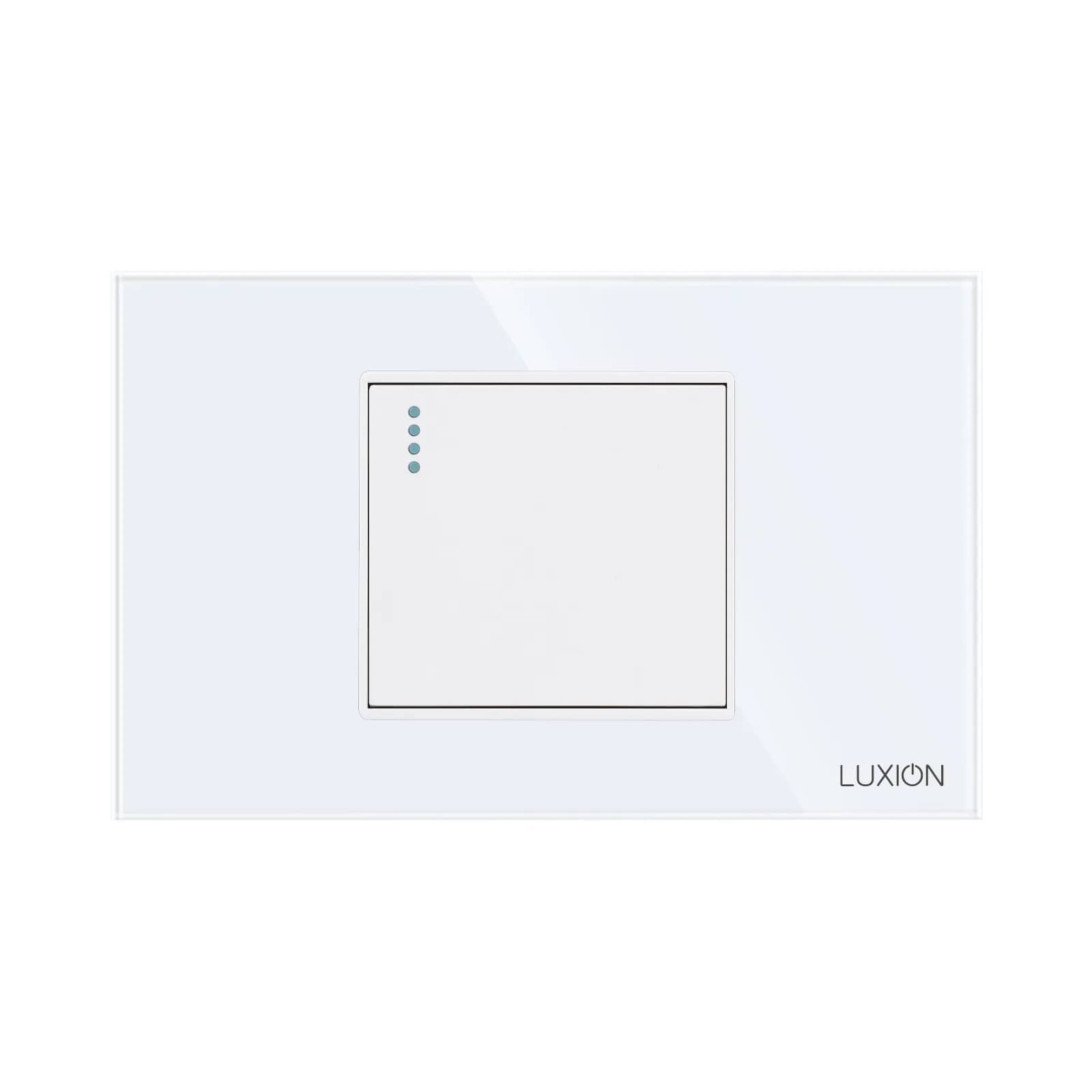
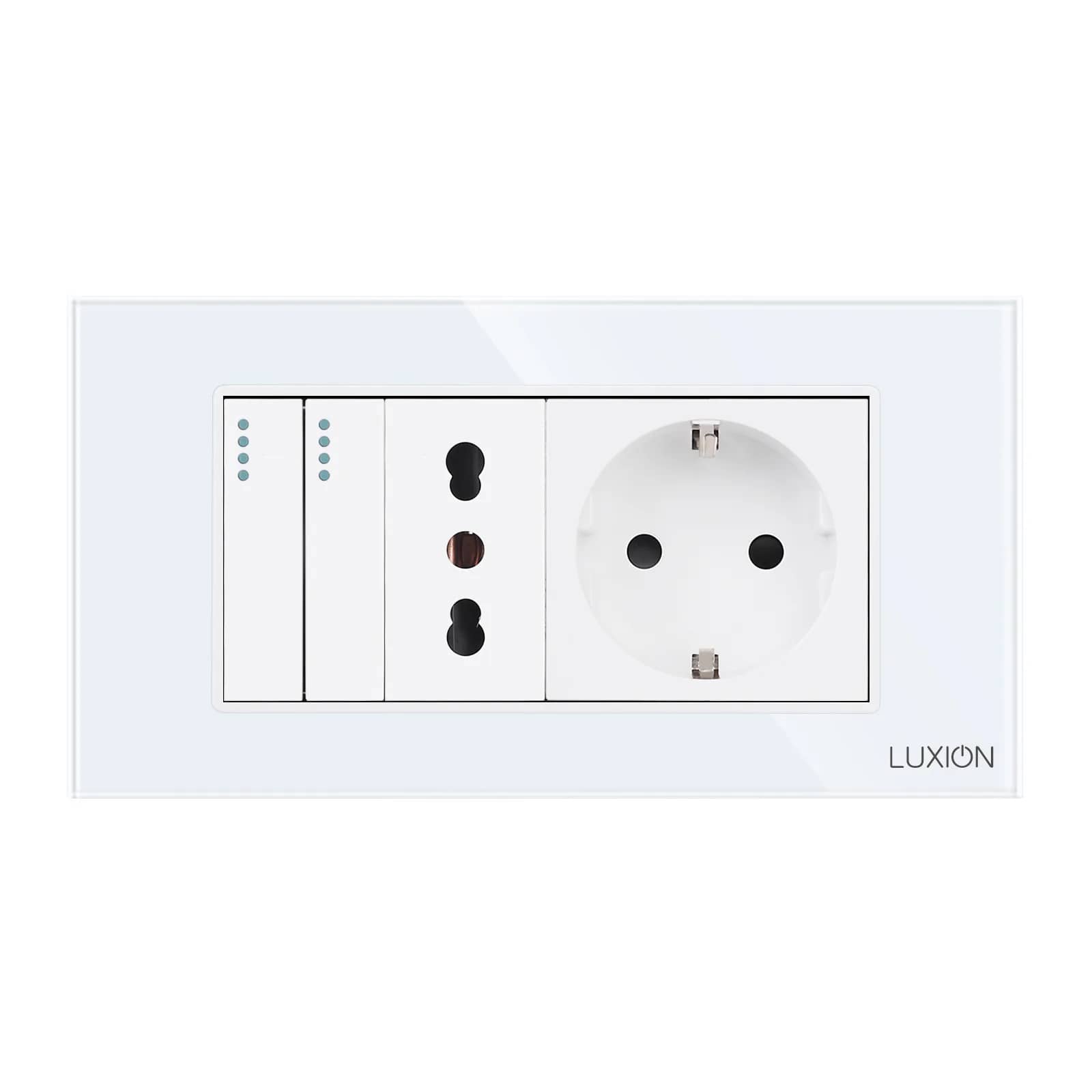
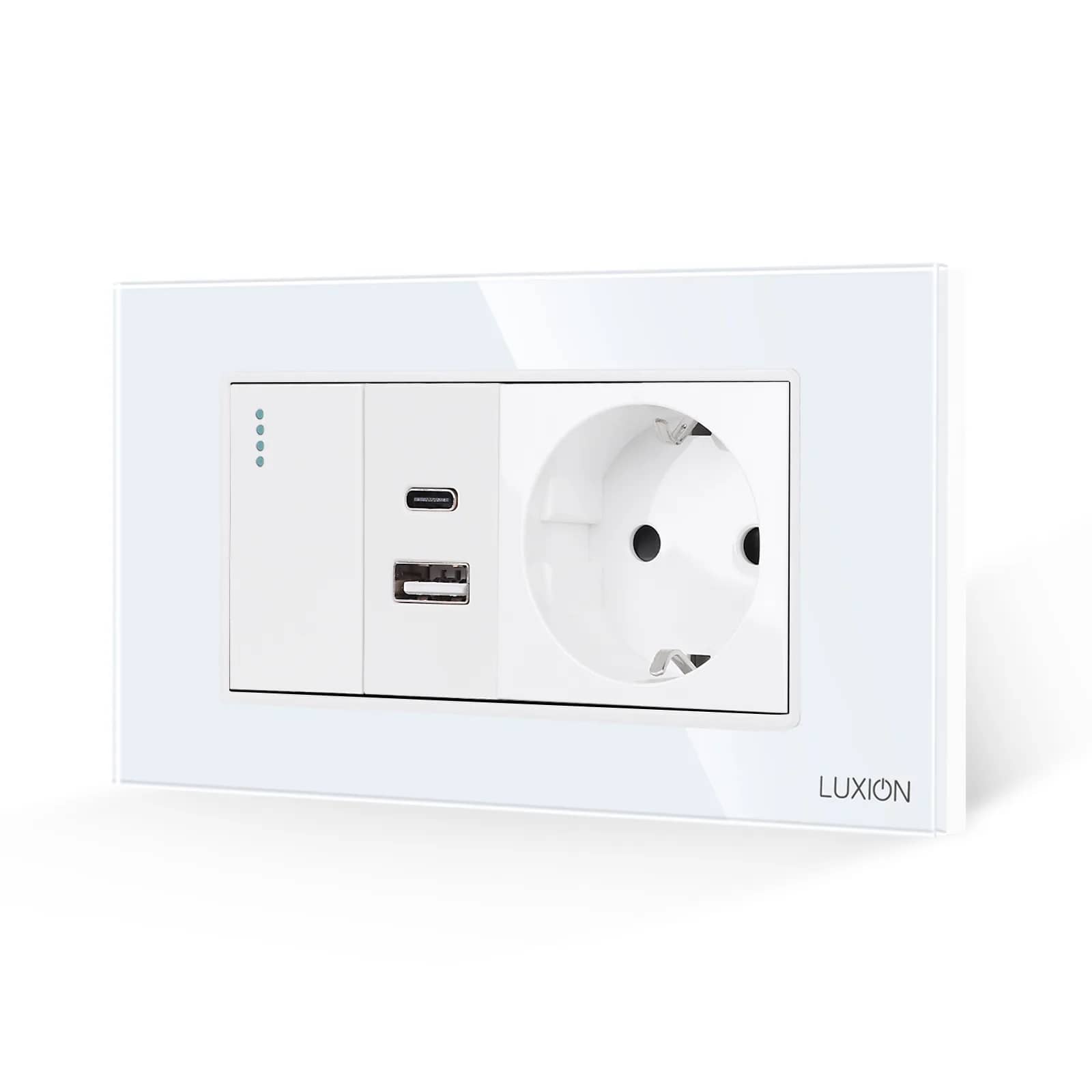
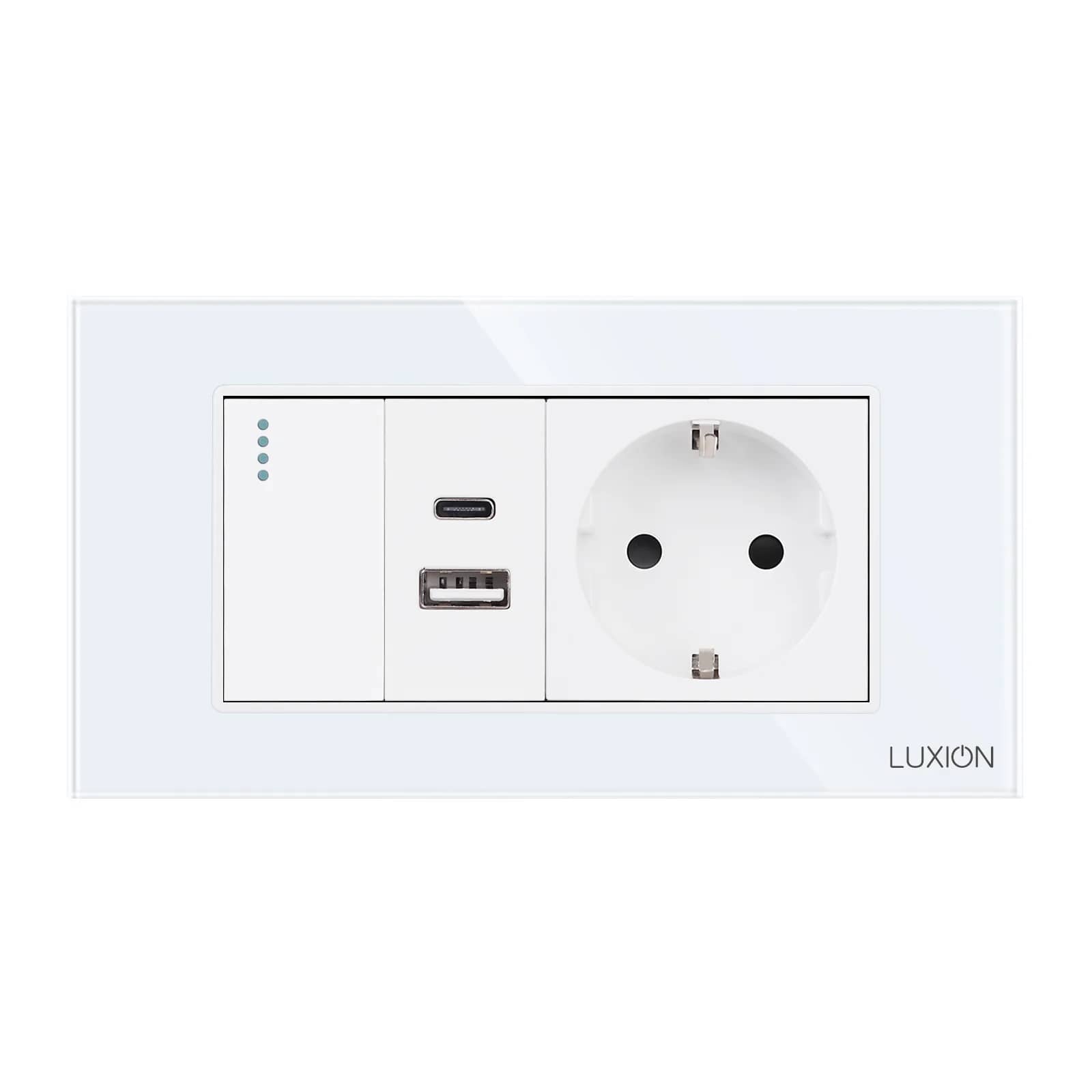
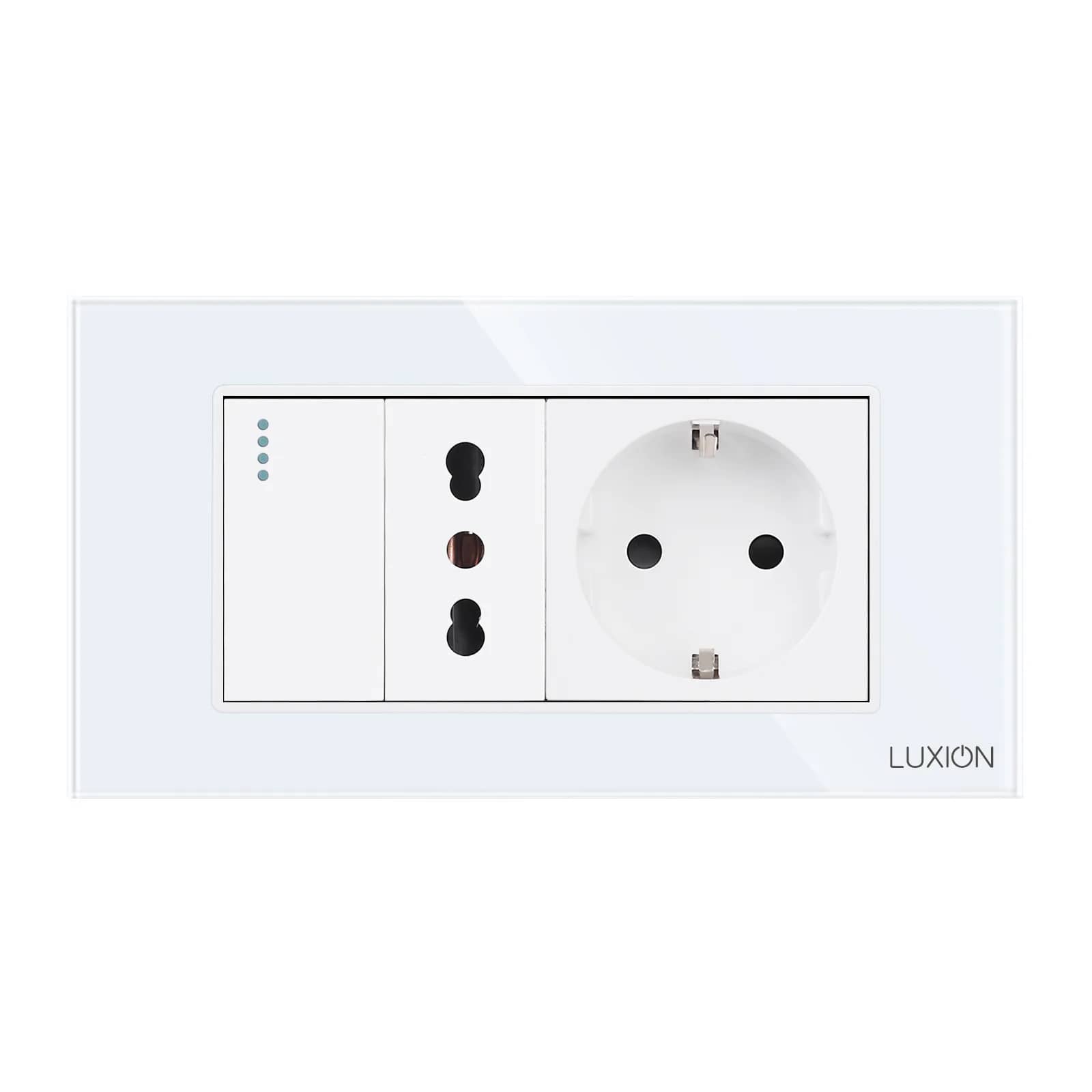
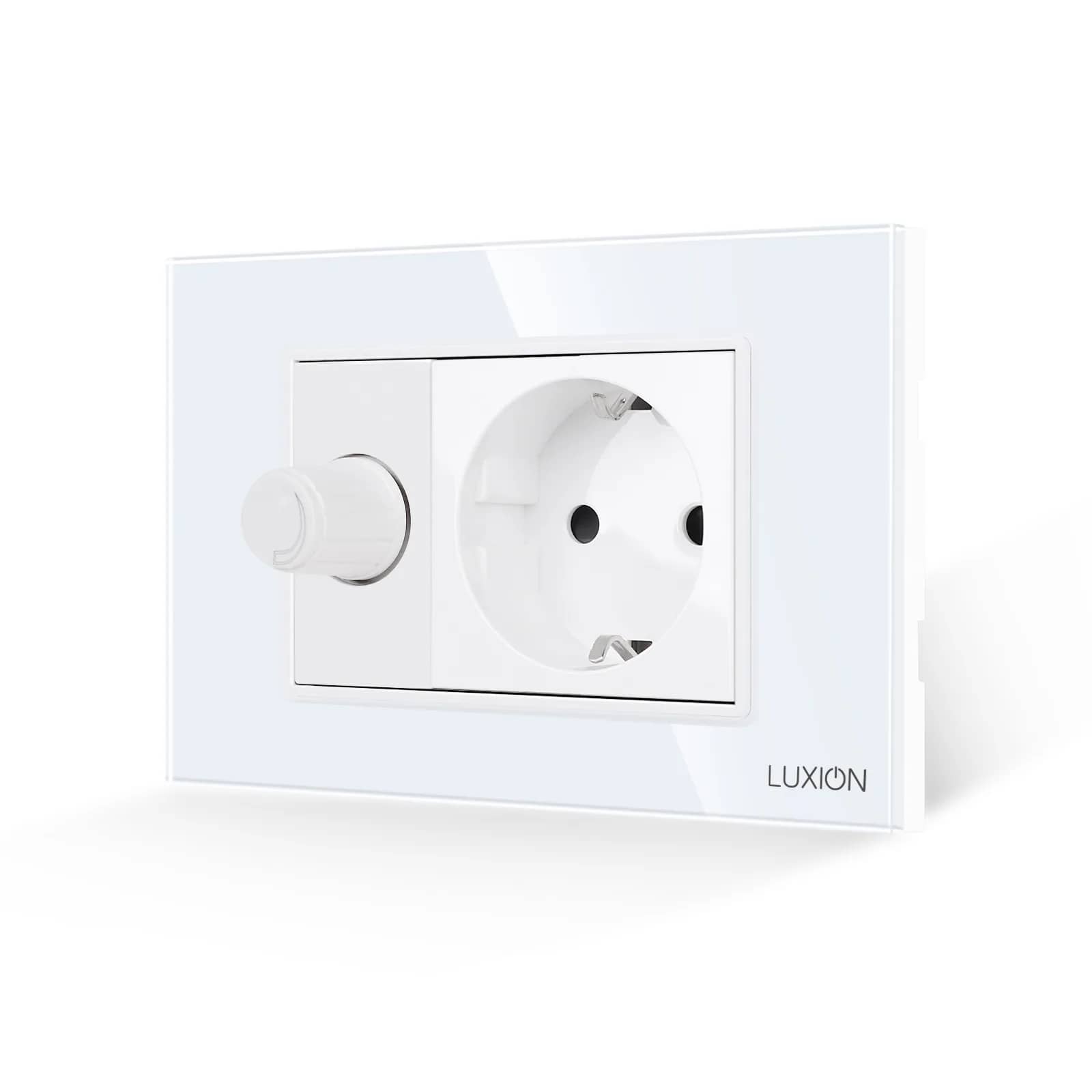
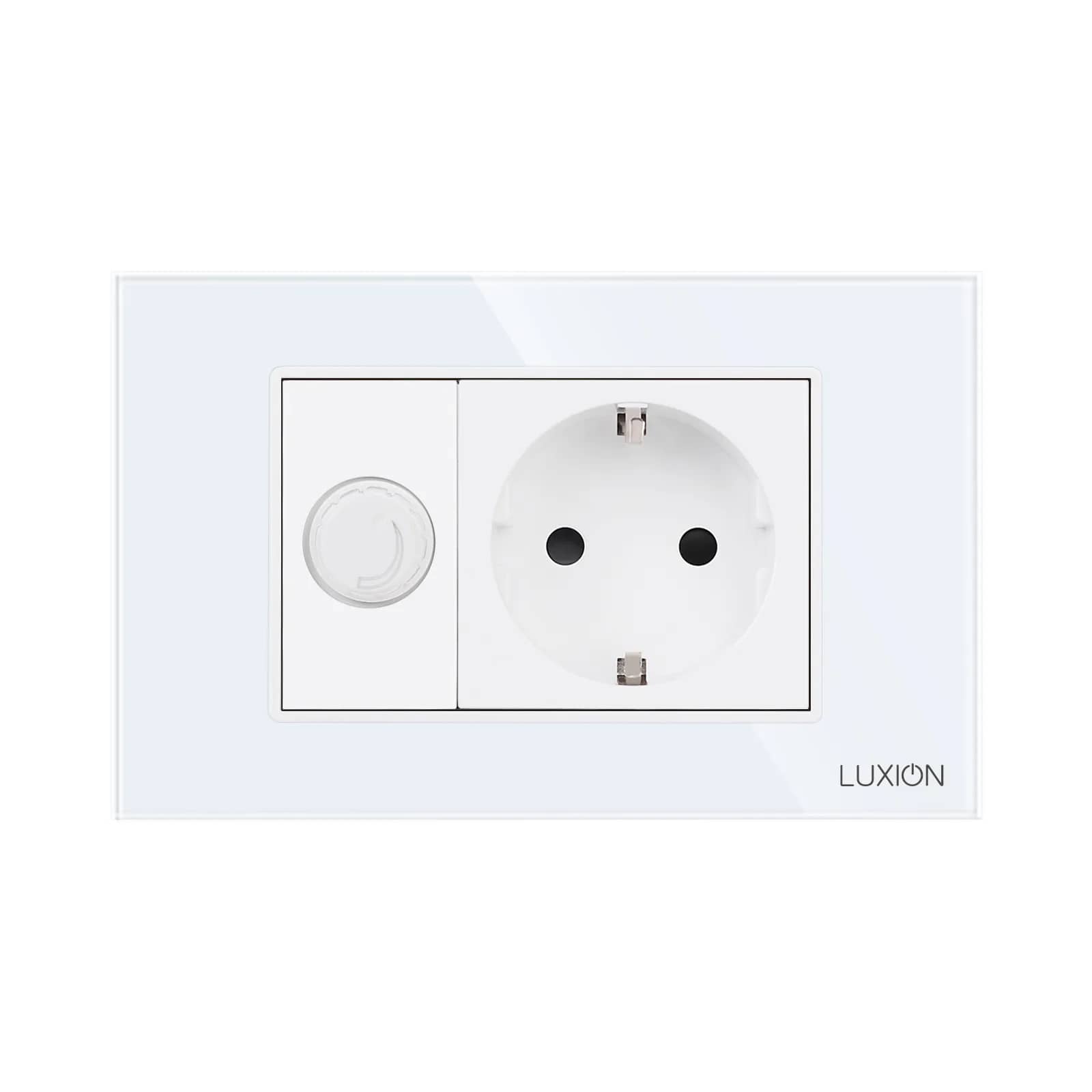
| German | Round, 60 mm | One module per position; square panels |
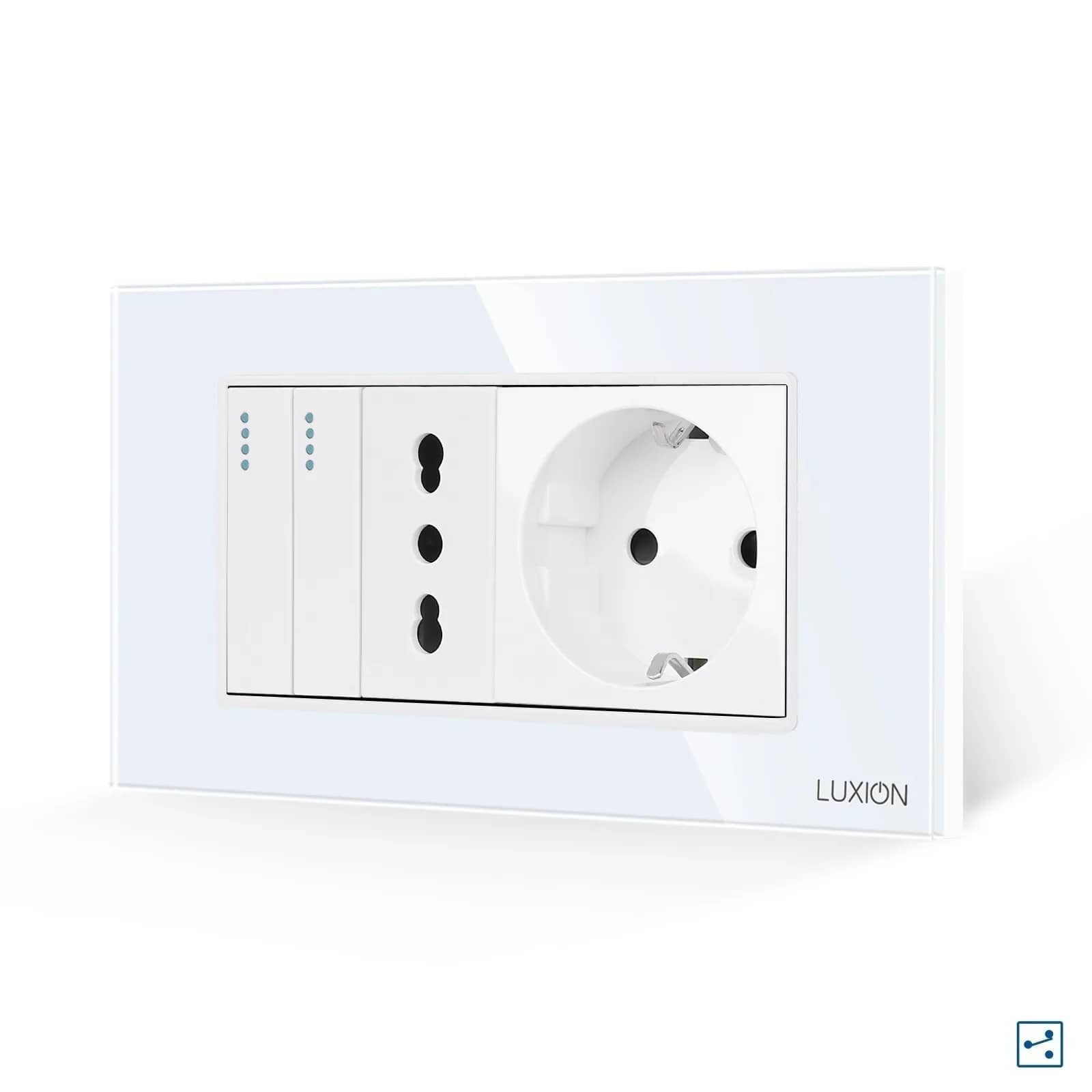
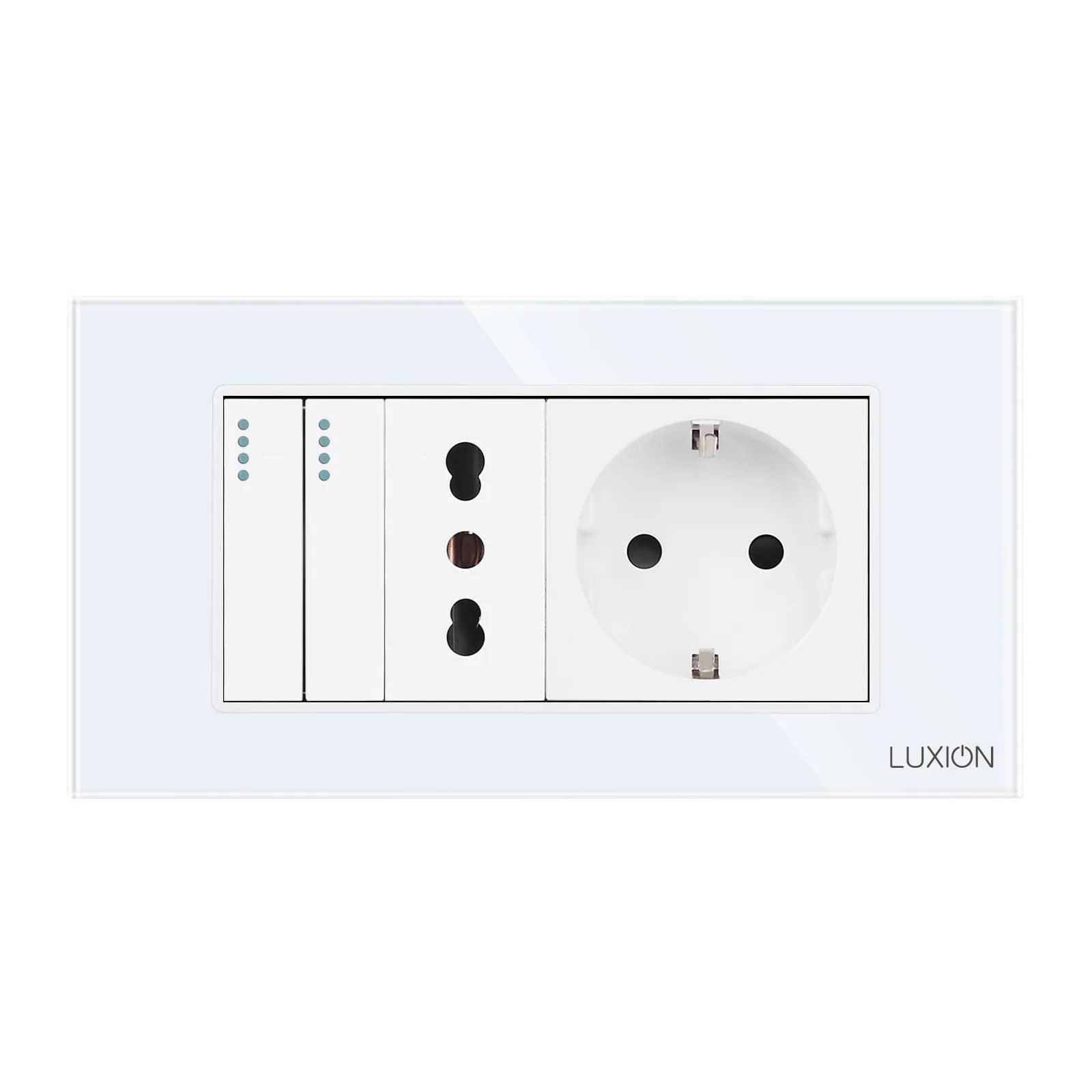
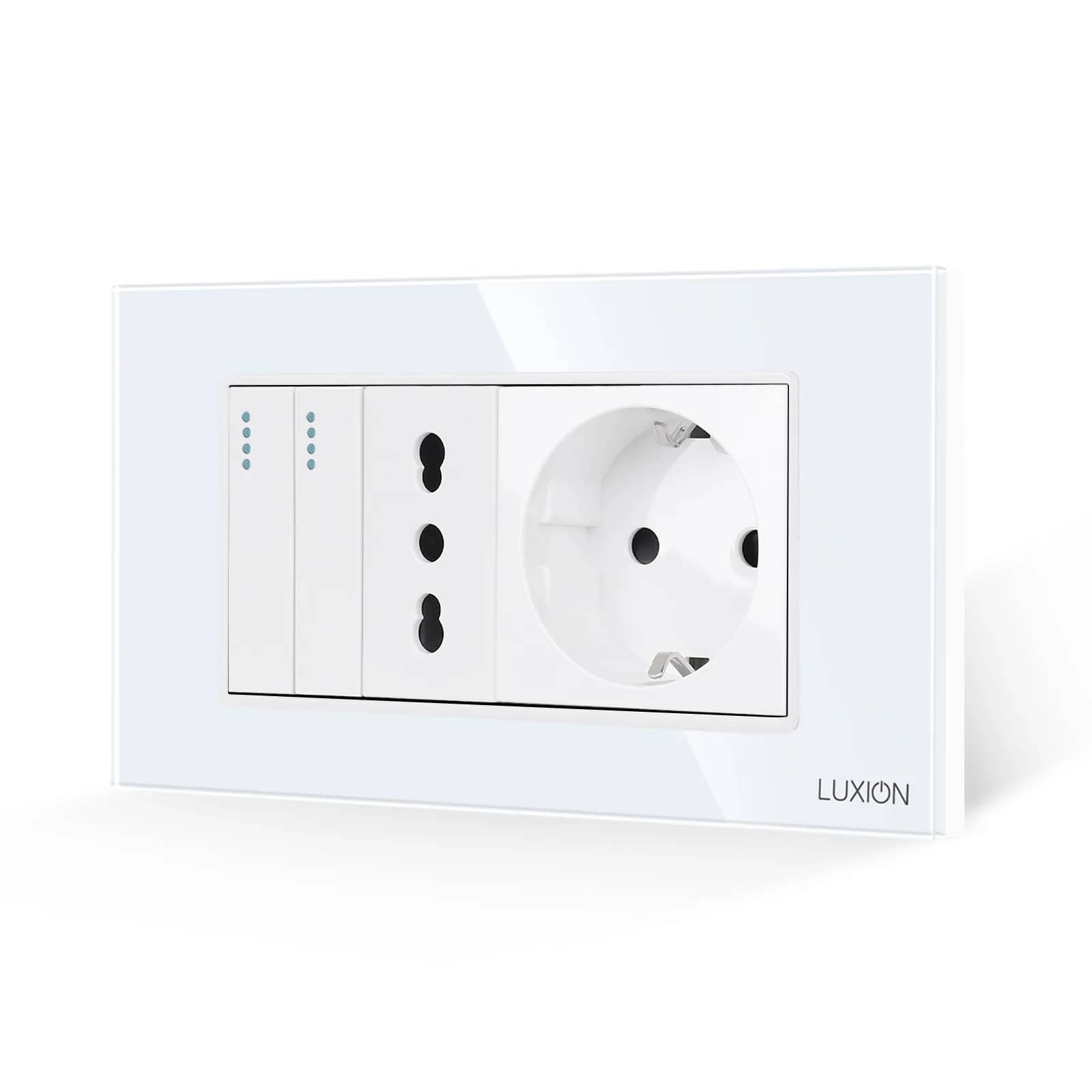
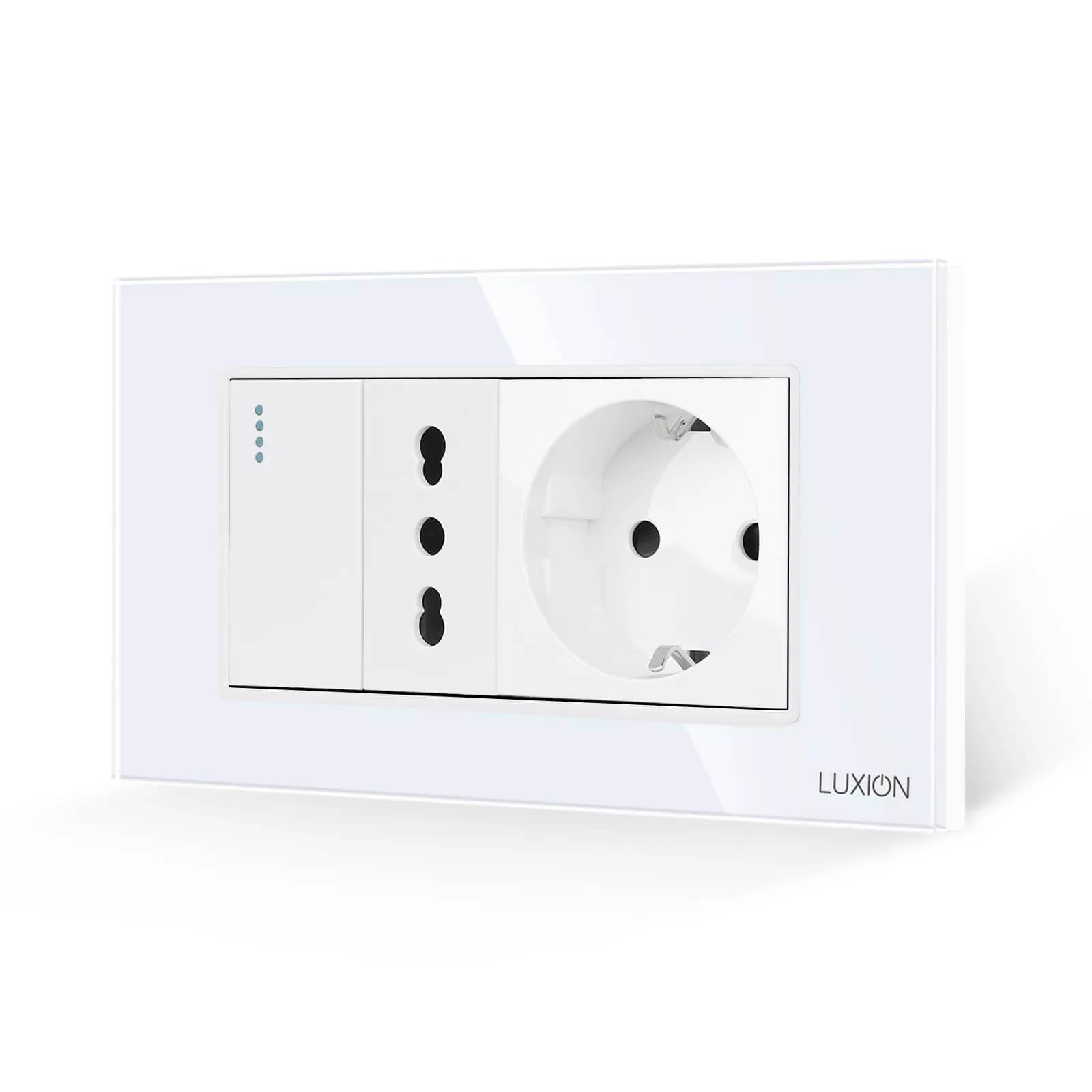
| Italian | Rectangular, 3M, 4M or 6M | Narrow modules under a shared frame |
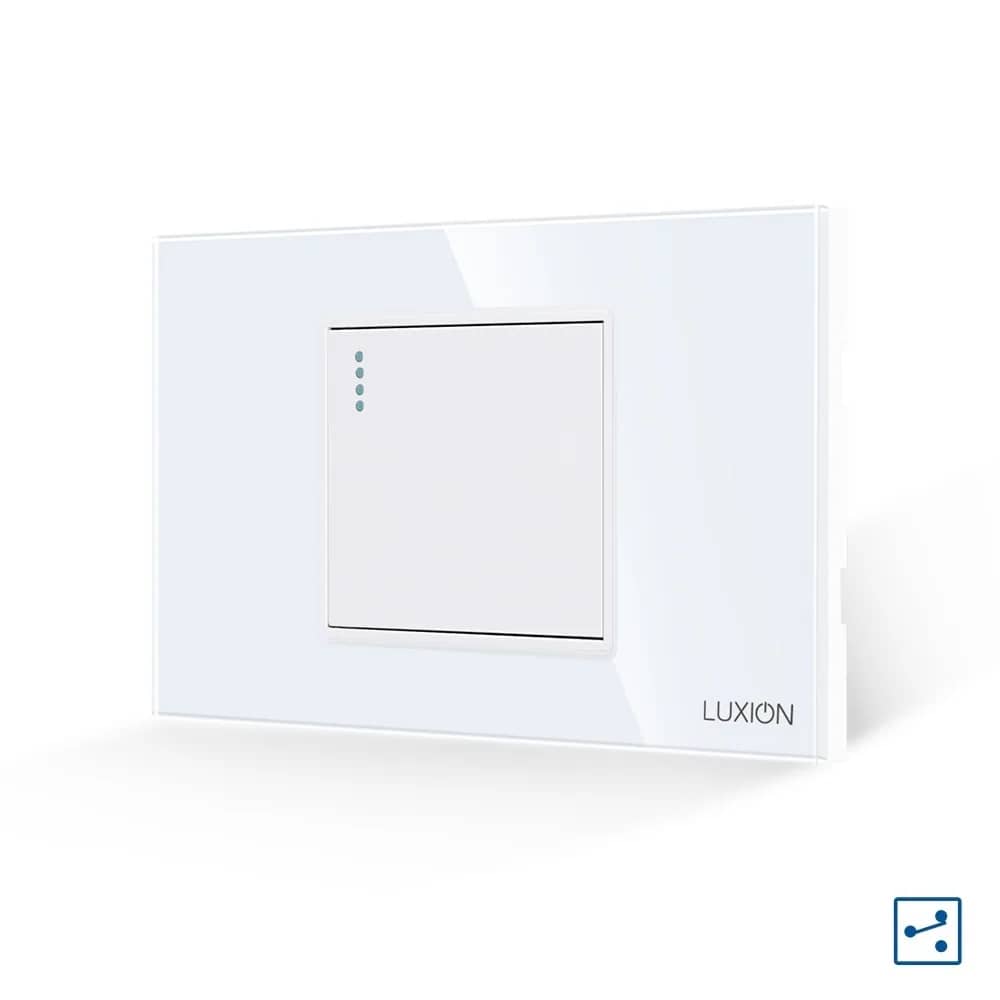
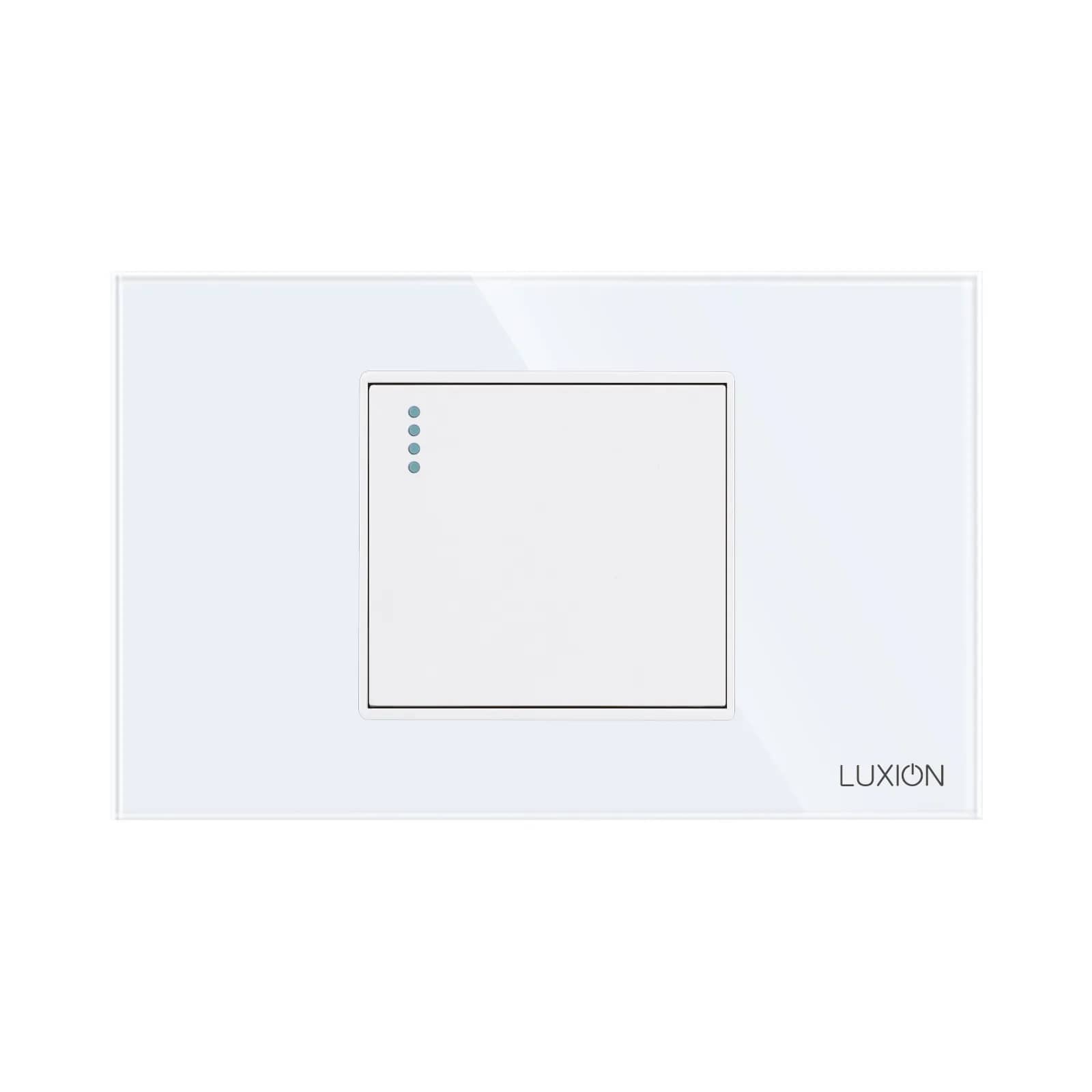
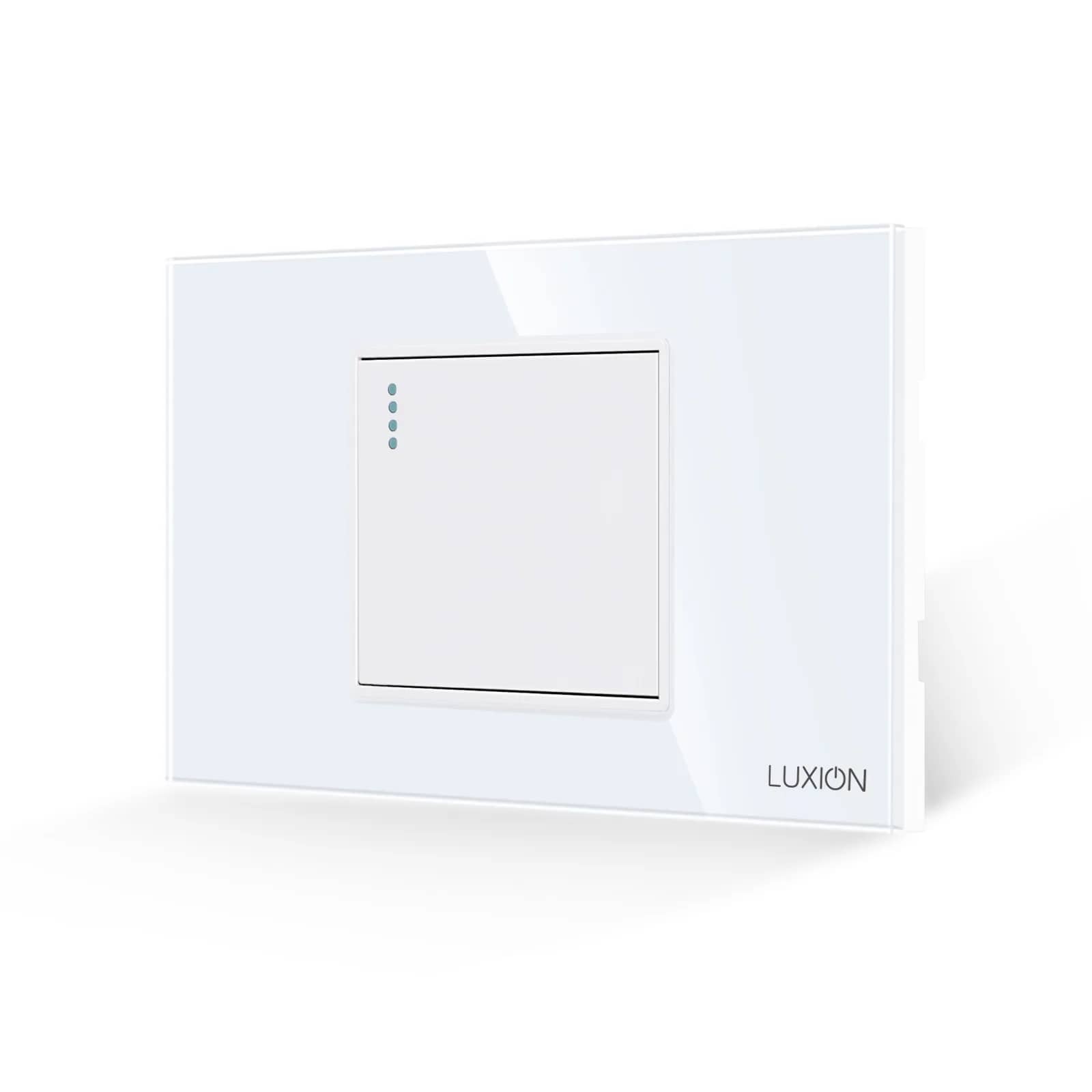
A three-module Italian panel will not fit into a round 60 mm back box. Enlarging the opening means masonry work, dust and repainting, which is why the standard should be decided before the holes are cut. Both Livolo and Luxion offer ranges in both standards, so the choice is made by your wall, not by the logo.
2. Is there a neutral wire in the back box?
A standard touch switch does not need a neutral: it connects with two wires, just like a conventional switch. A smart switch, whether Wi-Fi or ZigBee, does need one, because its electronics must be powered continuously, even when the light is off.
Checking takes a couple of minutes: switch off the breaker, remove the existing switch and count the wires. Two wires means a conventional installation; a third, usually blue and unused, means you have a neutral. If you're not comfortable doing this, ask a qualified electrician.
3. Which bulbs are on the circuit
Touch switches require LED light fittings of at least 5 W. Below that, the small current the switch uses to power itself becomes visible: the bulb flickers or stays dimly lit. If you already have 3 W spotlights, either group them so the total exceeds the threshold, or fit an anti-flicker adapter at the light fitting.
4. How many circuits you control from that spot
A "double switch" means two circuits controlled from the same panel, not two bulbs. Count circuits, not light fittings: four spotlights on the same run are a single circuit.
- Single: one load, the most common case.
- Double / triple: two or three separate circuits under the same frame.
- More than four: with the Italian standard, these are built from modules under a wider frame; there are also panels for 6, 8 or 12 circuits.
- Two-way / multi-way: the same light controlled from two or more places. With touch switches, the same two-way switch is fitted at every point and linked by a synchronisation wire; you don't buy a separate intermediate module.
5. Which protocol, if you want smart
| Protocol | Hub | Good for | Watch out for |
|---|---|---|---|
| Wi-Fi | No | A few points, quick setup | 2.4 GHz only; loads the router when there are many devices |
| ZigBee | Yes | A whole home, dozens of devices | The hub is usually brand-specific |
| RF433 | No | Wireless control without internet | No app and no voice control |
If you're not sure you want smart, choose the standard version: it looks identical, costs less and doesn't depend on any app. A relay added later at the light fitting makes the circuit smart without replacing the switch.
6. Frame, colour and material
With a modular system, the frame and modules are bought separately, and that's an advantage: you can change the colour on the wall without changing the mechanisms. Check three things:
- The frame width matches the back box, not the number of switches.
- Empty positions in the frame are covered with blank plates, never left open.
- Colours should come from the same range for both switches and sockets, otherwise one white will clash with another.
7. Warranty and where you buy
Check the warranty period and keep your invoice. Warranty is typically lost through unauthorised work on the product, failure to follow the installation instructions, or use in conditions other than those the product was designed for. That's why installation should be done by a qualified electrician, with the power switched off.
The short list, to keep on your phone
Back box: round 60 mm, or rectangular with how many modules? · Neutral in the box: yes or no? · Bulbs over 5 W? · How many circuits from this spot? · Smart or standard? · Frame and colour from the same range? · Warranty and invoice.
What you DON'T need to worry about
To be honest, a few things that come up in comparisons make almost no difference in everyday life.
- "Tempered glass" vs "crystal glass": marketing names for the same type of panel. What matters is that it doesn't discolour, and you can't tell that from the name.
- Guaranteed number of touches: the figures on spec sheets (hundreds of thousands of operations) exceed the lifespan of the installation anyway.
- Standby consumption: the label on a Luxion module says 0.02 W. Left on all year, that's 0.18 kWh, a negligible cost. It's not a reason to choose one switch over another.
Got your list ready? Choose your panel
Filter by standard, number of circuits, protocol and colour, or build your own frame with modules.
Technical data comes from product spec sheets and manufacturers' wiring diagrams; check the page of your chosen product before ordering.
Frequently asked questions
Can I replace a conventional switch with a touch switch without breaking into the wall?
Yes, as long as you keep the same back box standard and choose a version that doesn't need a neutral wire. Only the switch in the box is changed; the wall stays untouched.
What do 3M, 4M and 6M mean?
The number of modules in the frame, in the Italian standard. A module is the system's reference width: a 3M frame covers three positions, whether you fill them with switches, sockets or blank plates.
What do I put in the empty positions?
Blank plates in the same colour as the frame. They clip into the free slot and make the panel look complete; an empty position leaves the mechanism exposed.
Can I use a touch switch in the bathroom?
Yes, in the areas where switches are normally installed: on the wall, outside the protection zones around the bath or shower. The placement rules are the same as for a conventional switch, and installation should be done by a qualified electrician.
Can the same light be controlled from both the wall and my phone?
Yes, with smart versions. The wall control remains an electrical control and works even if the internet goes down, while the app is added on top of it.
How many two-way switches can I connect on the same circuit?
It depends on the model; some product spec sheets state a maximum of three switches on the circuit. Check the spec sheet of your chosen product before planning control from four or more places.