Livolo vs Luxion: Which Touch Switch Is Better in 2026?
Both are glass touch switches and both look premium, but they suit different situations. Here is the full comparison to help you choose the right brand for your project.
By the SmartHomes.ae team · Updated 17 October 2026
In short
There is no outright winner. It depends on your project. Choose Livolo if you want the widest range of functions (dimmer, blinds, motion sensor, two-way) and an established international brand. Choose Luxion if you want minimalist design, simple installation, a stable Zigbee protocol and a more affordable entry price.
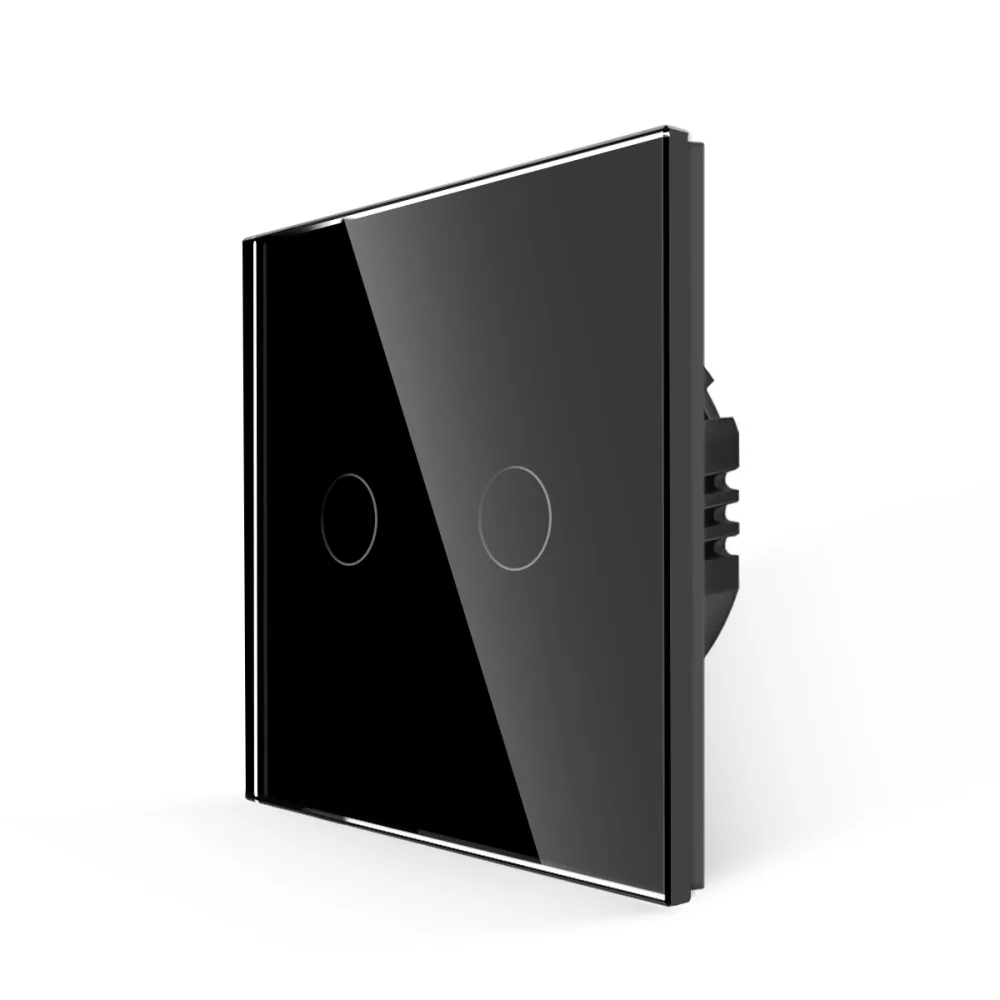
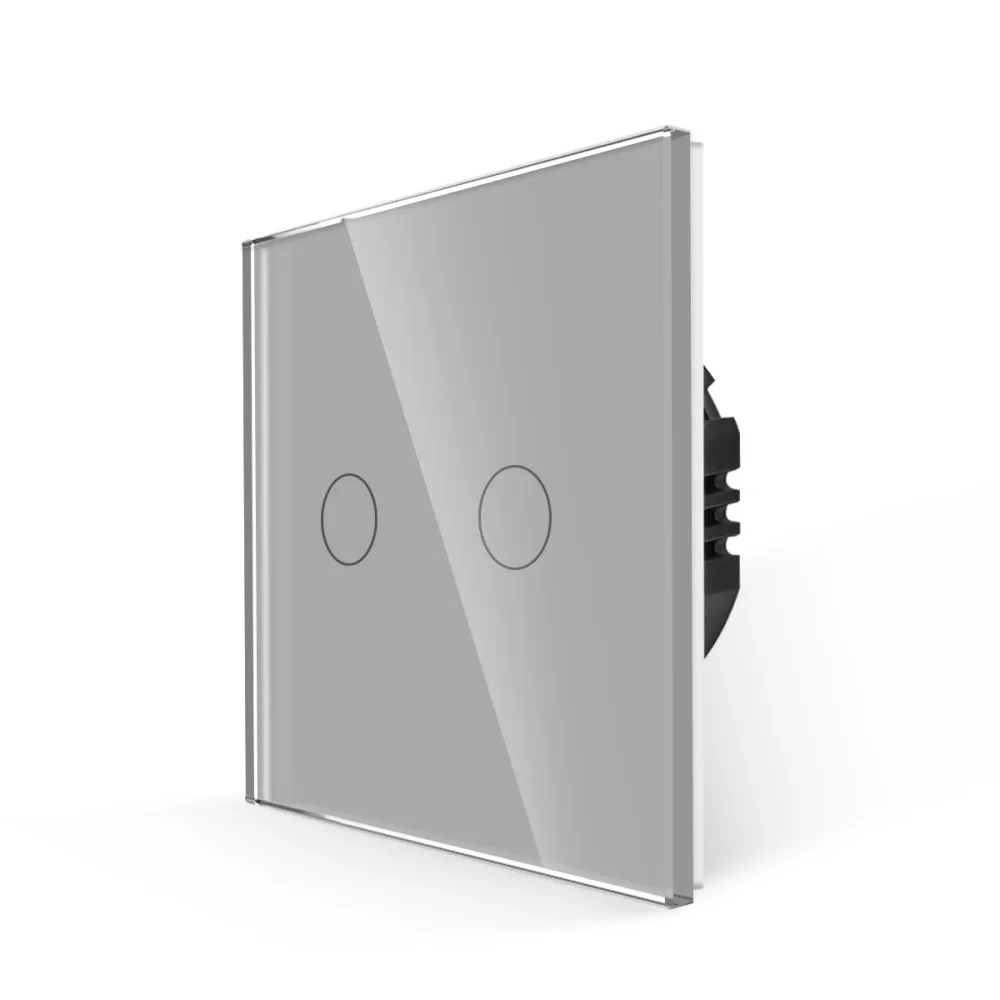
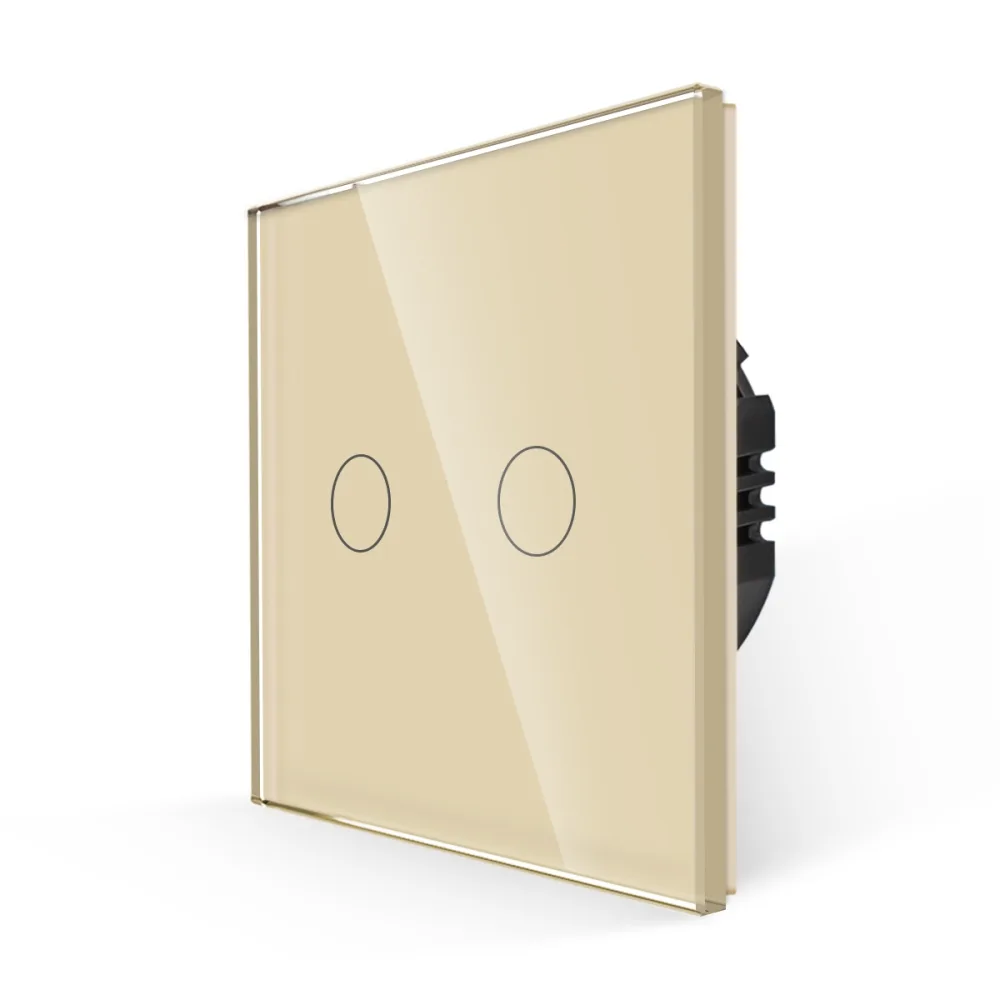
Quick comparison
| Criterion | Livolo | Luxion |
|---|---|---|
| Material | Heat-resistant crystal glass | Heat-resistant crystal glass |
| Range of functions | Very wide: single to six-gang, dimmer, two-way/intermediate, blinds, motion sensor, timer, wireless | Essential and clean: single, double, triple, two-way, smart versions |
| Smart protocol | Wi-Fi, Zigbee and RF433, with Zigbee making up most of the range | Wi-Fi, Zigbee and RF433, in similar proportions |
| Back box standard | Series for both standards, mostly Italian | Series for both standards, mostly Italian |
| Common colours | White, black, gold, grey, champagne | White, black, grey, gold |
| Price | Wide spread, rising with the function | Accessible entry price |
| Best for | The most functions in a single range | Minimalist design, value for money, simple installation |
What they have in common
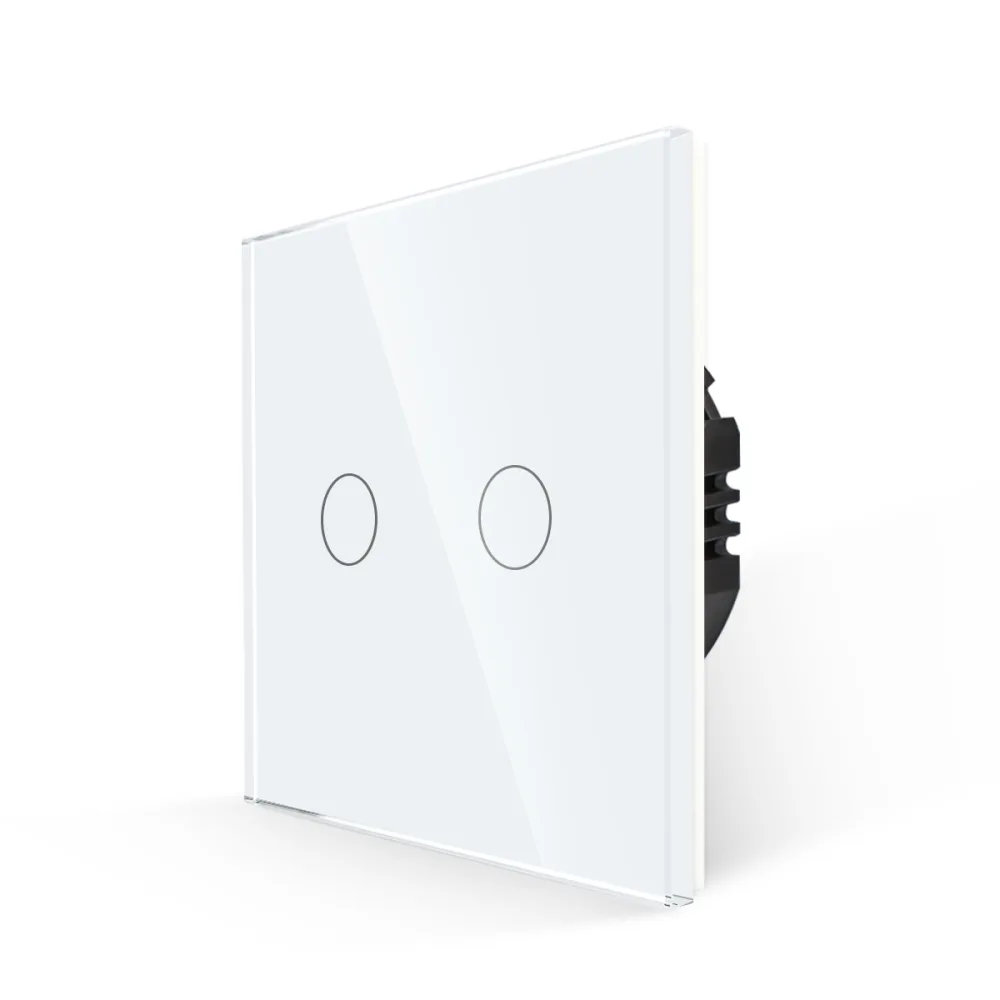
Both brands start from the same idea: a toughened glass panel with a touch sensor instead of a traditional rocker. The glass surface does not discolour over time, is easy to clean and resists scratches. Both fit standard wall back boxes and replace an ordinary switch without major changes to the wiring.
The question is not which is better, but which need each covers better. Let us look at them one at a time.
Livolo: for those who want the most functions
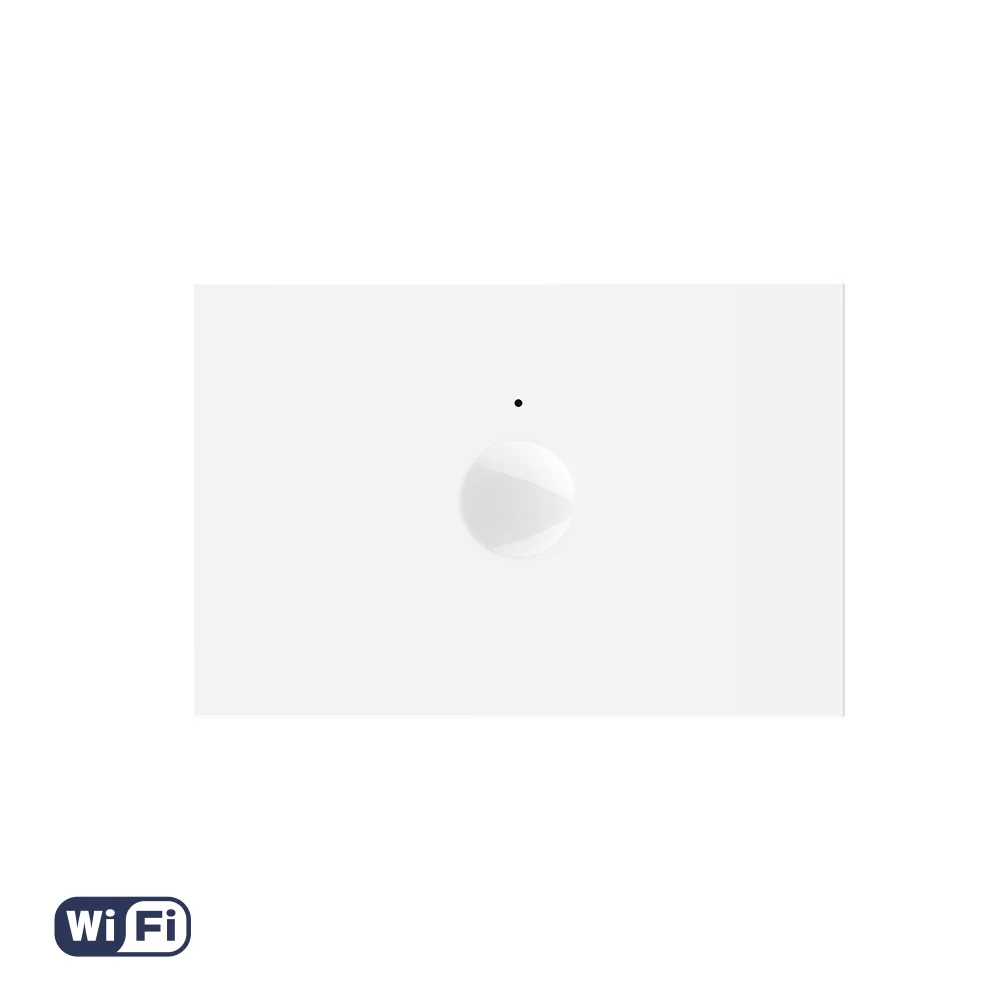
Livolo is the choice when you need more than on/off. It is an international brand that has been around for over a decade, with the widest range of functions in this category. It includes switches from single to six-gang, a dimmer for light intensity, two-way and intermediate switching, blind control, motion sensor, timer and wireless versions.
Smart Livolo versions are available in all three protocols: Wi-Fi (no hub, straight into the app), Zigbee (with a hub, the largest part of the range) and RF433 (no network, with a remote control). Livolo has series for both the Italian and the German standard, so check your back box before ordering.
Luxion: for those who want clean design and simple installation
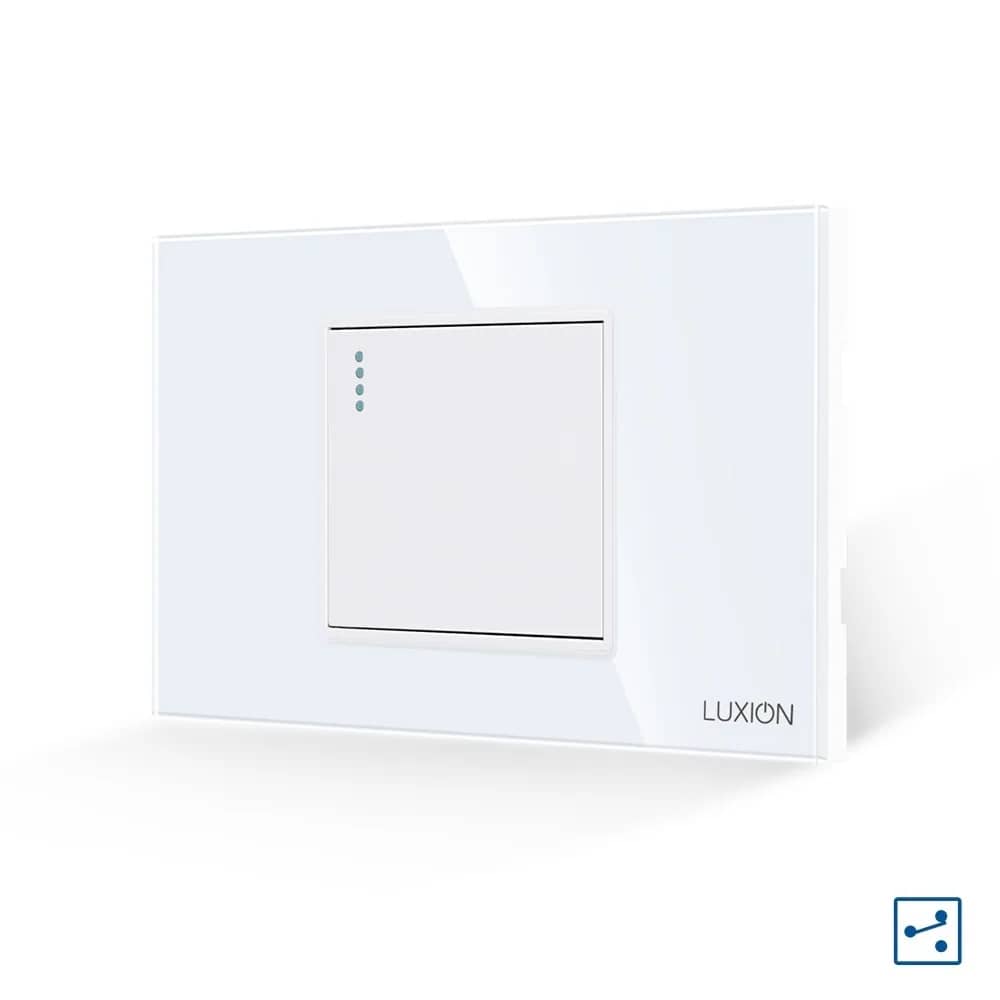
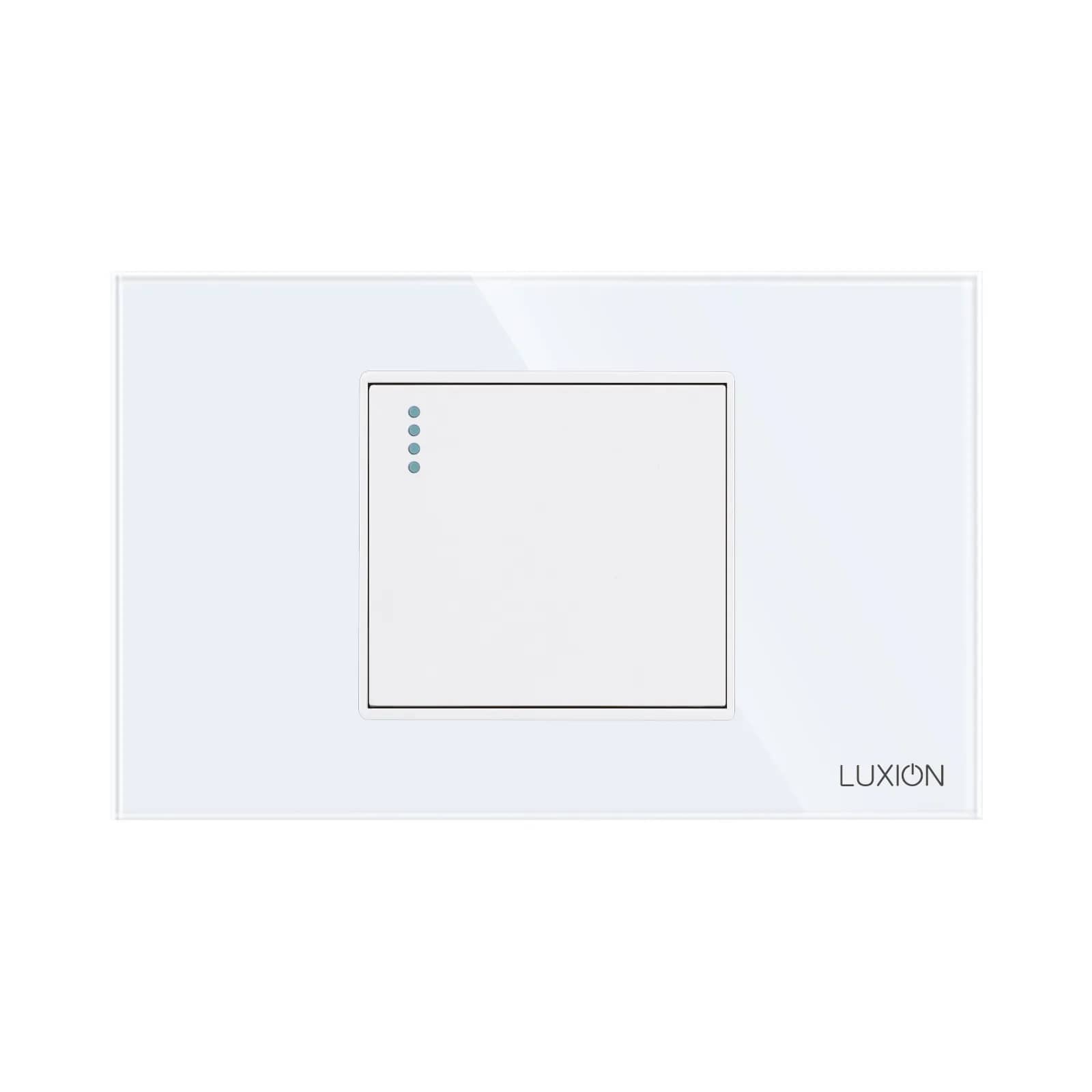
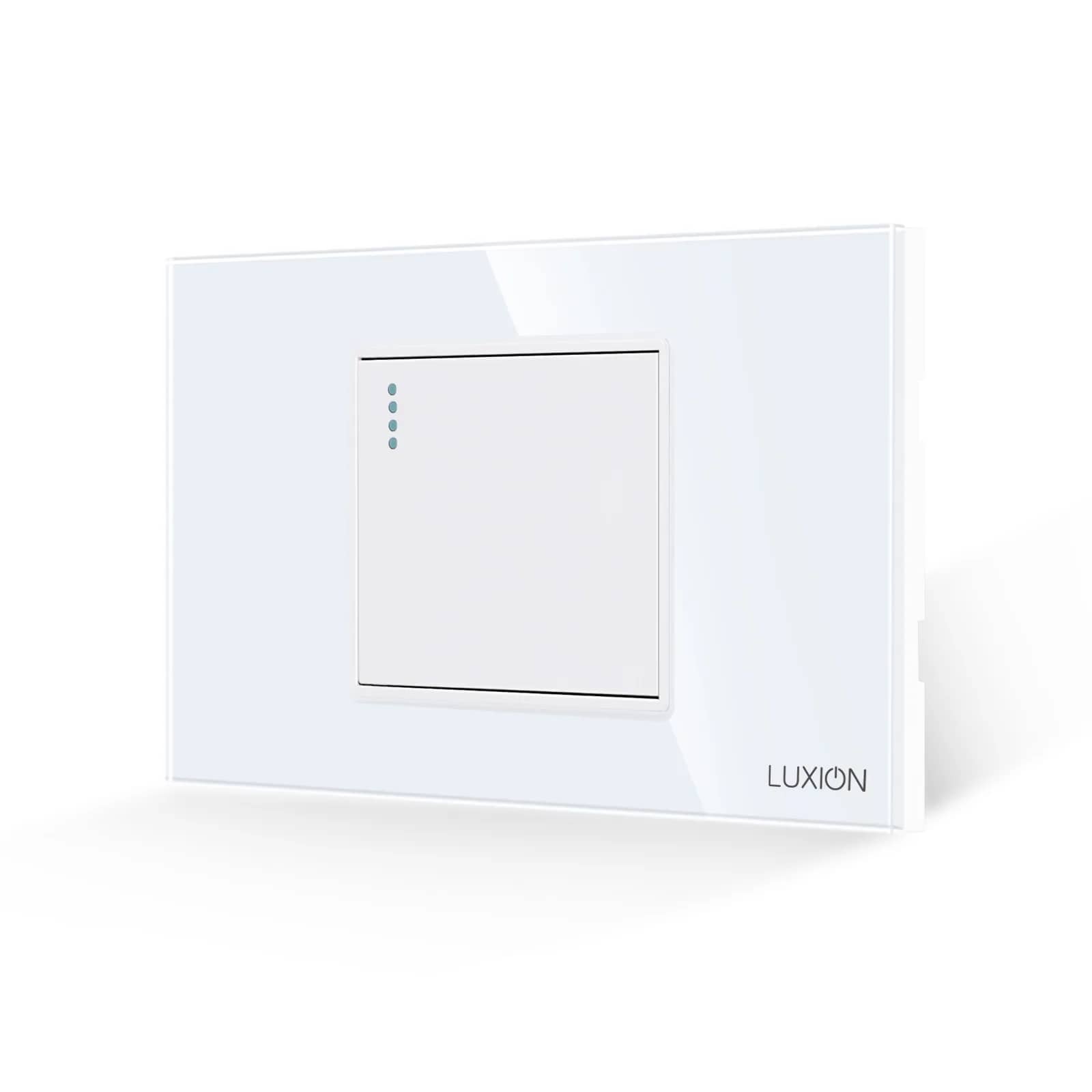
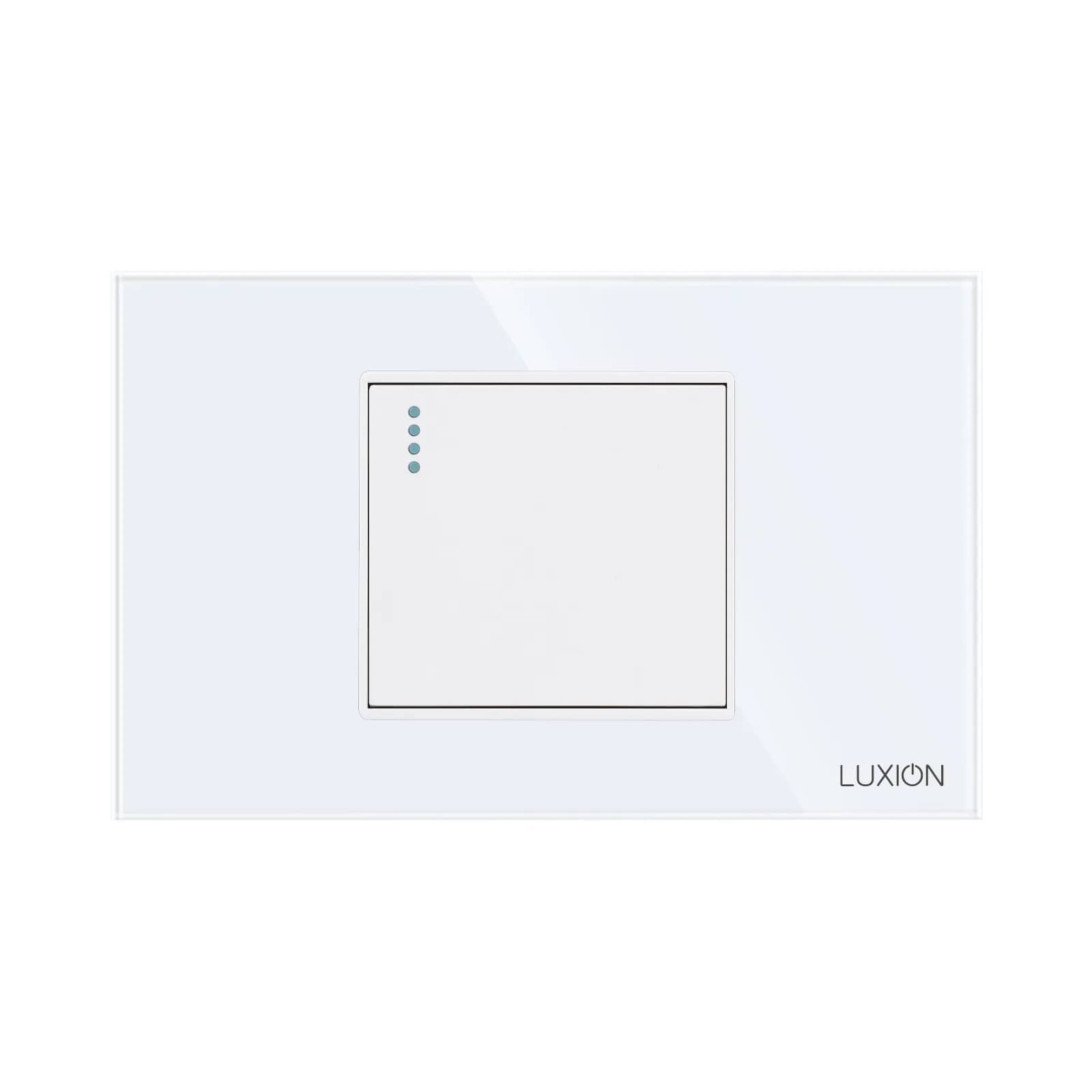
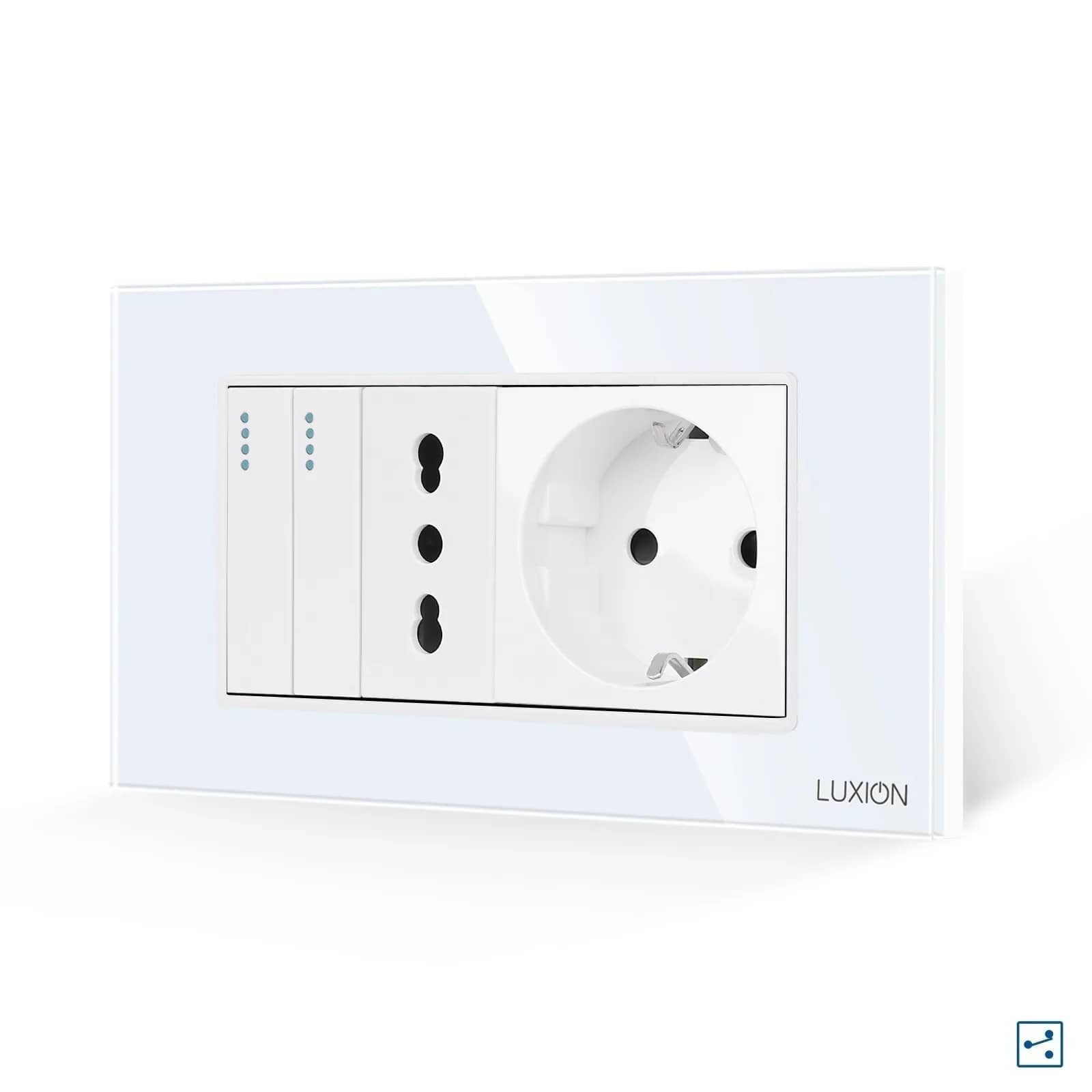
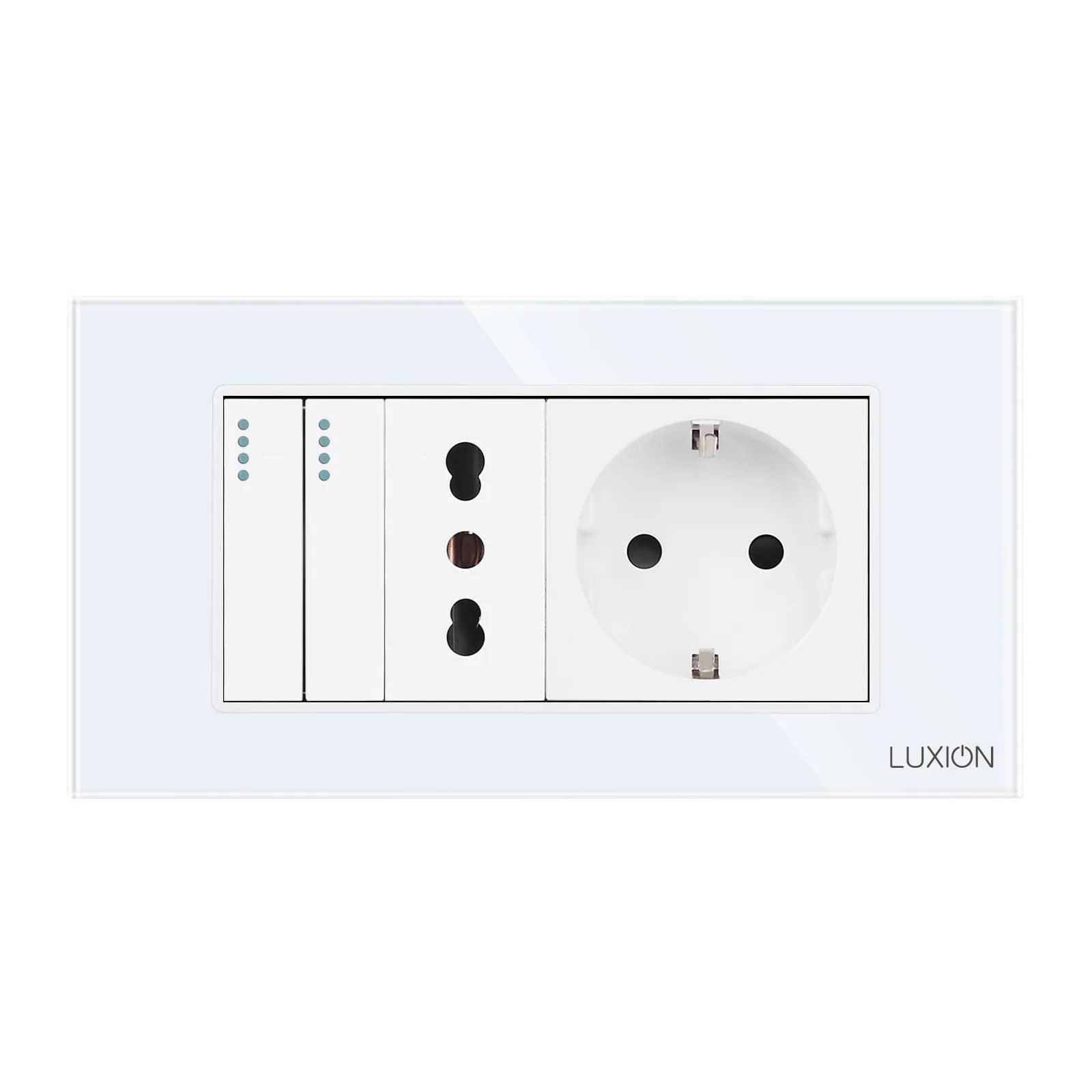
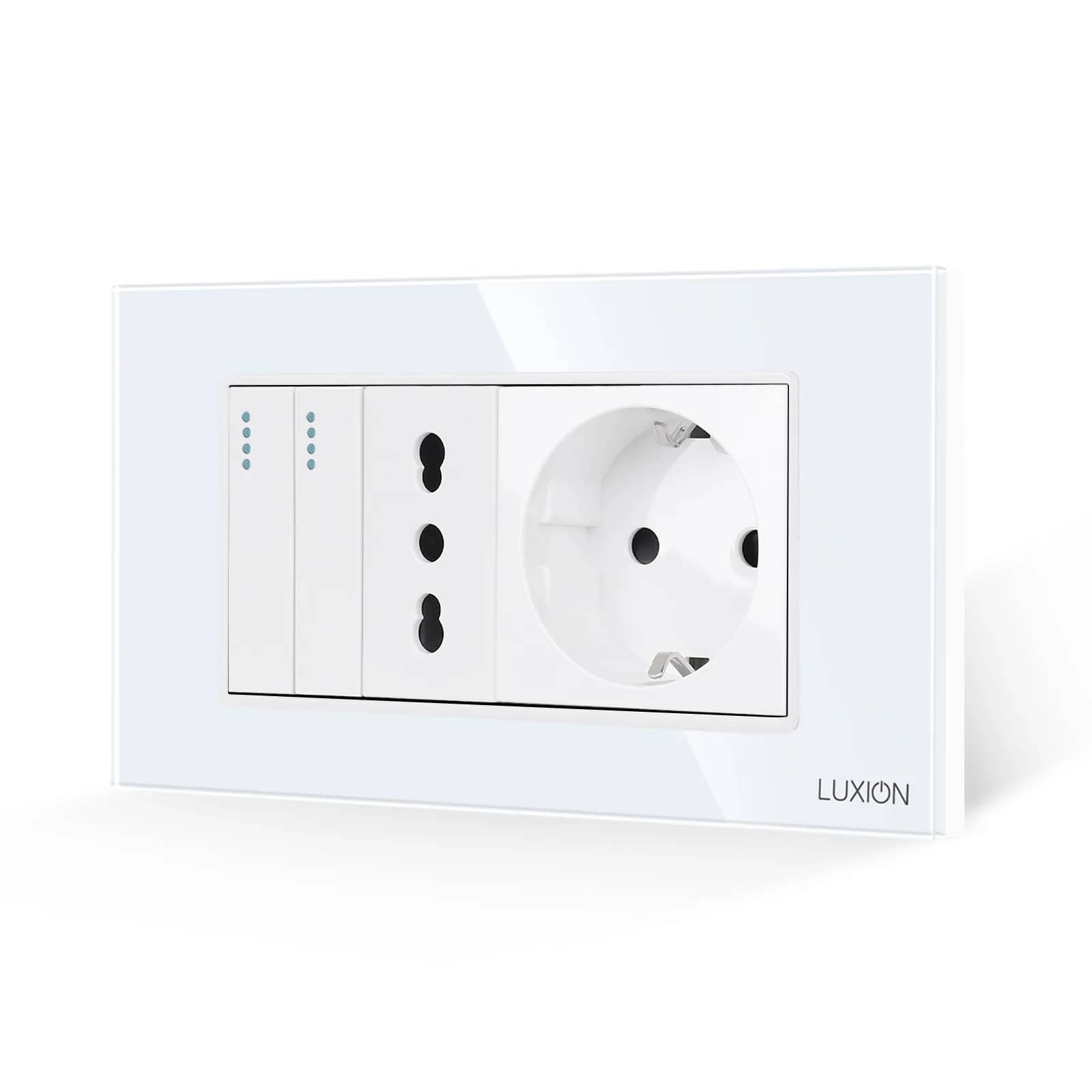
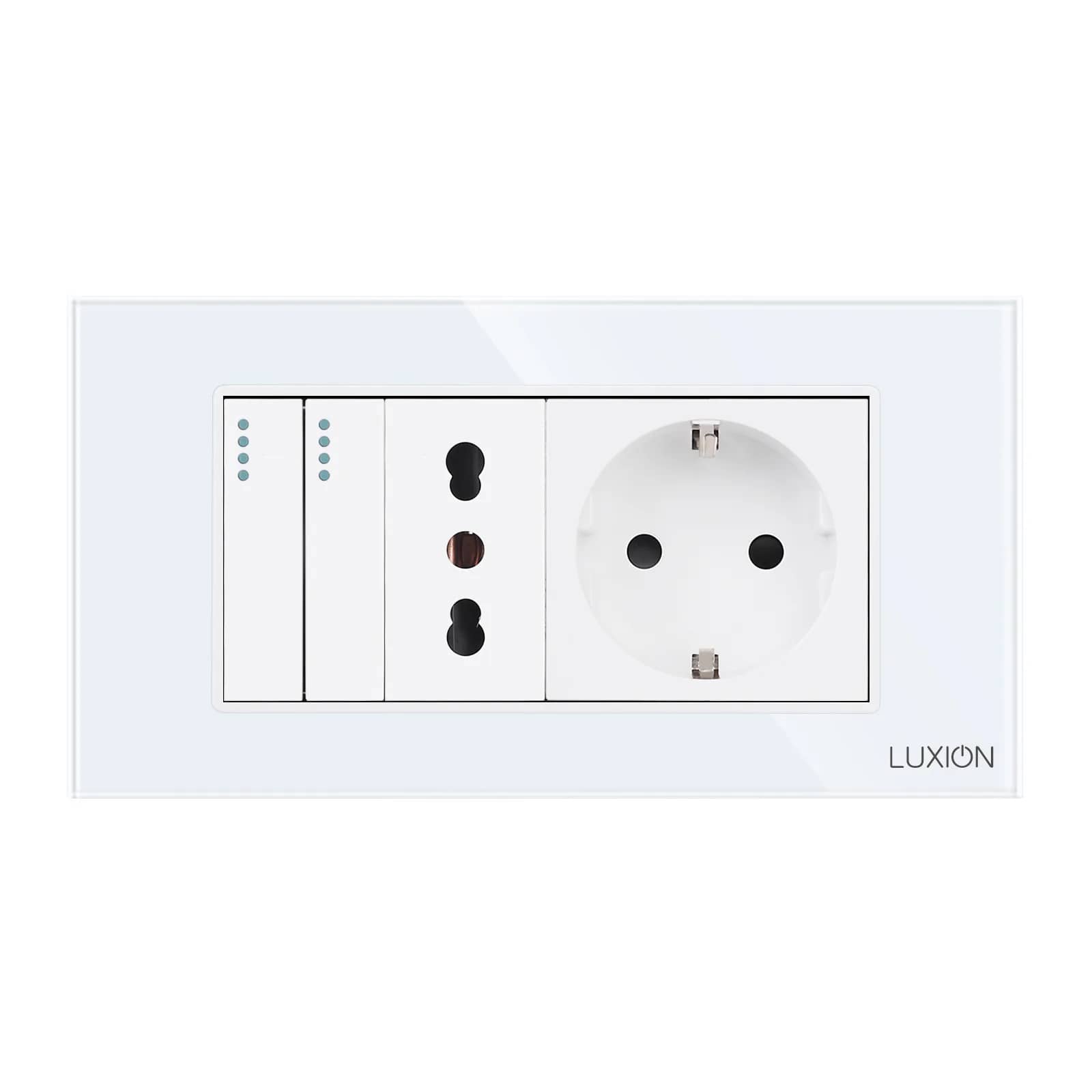
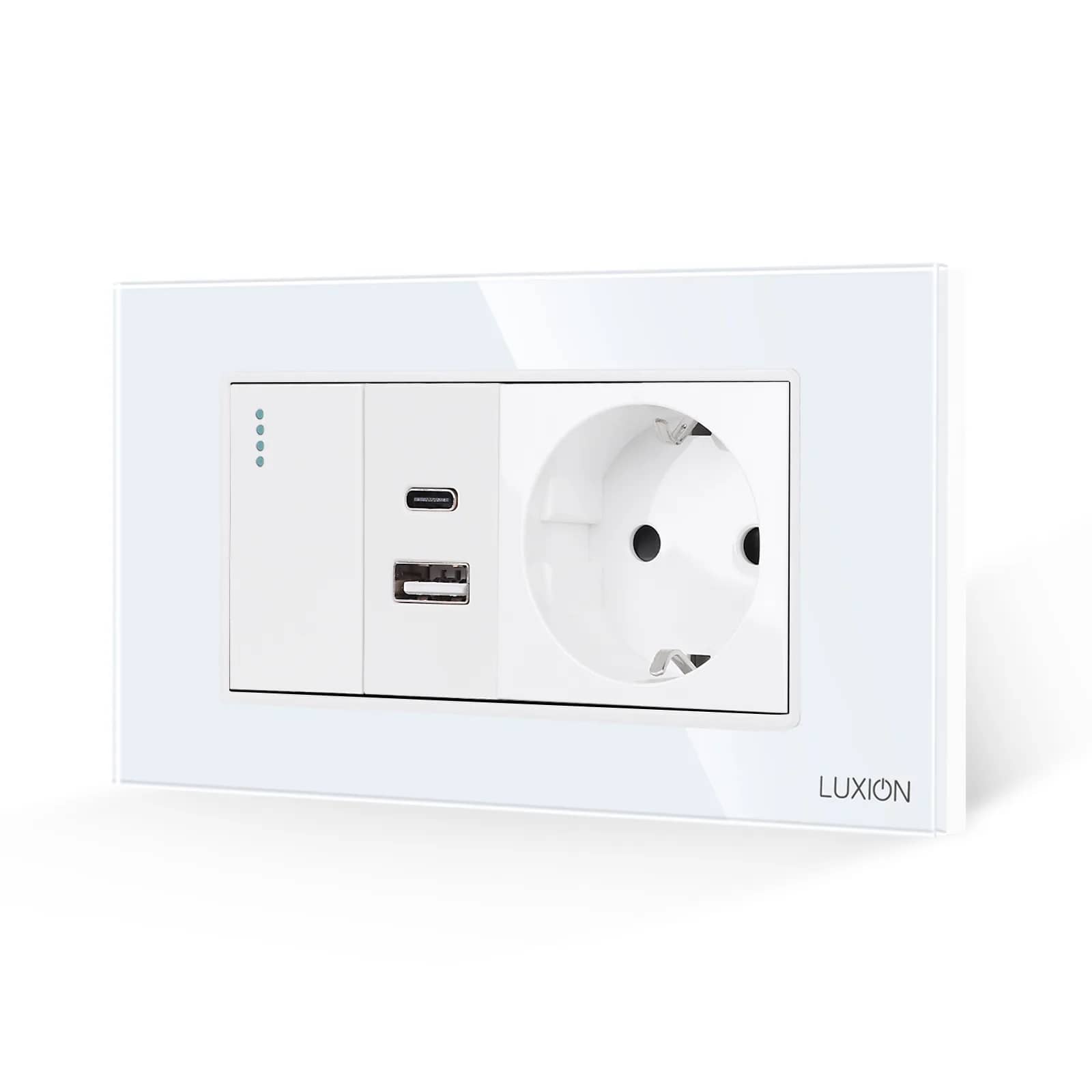
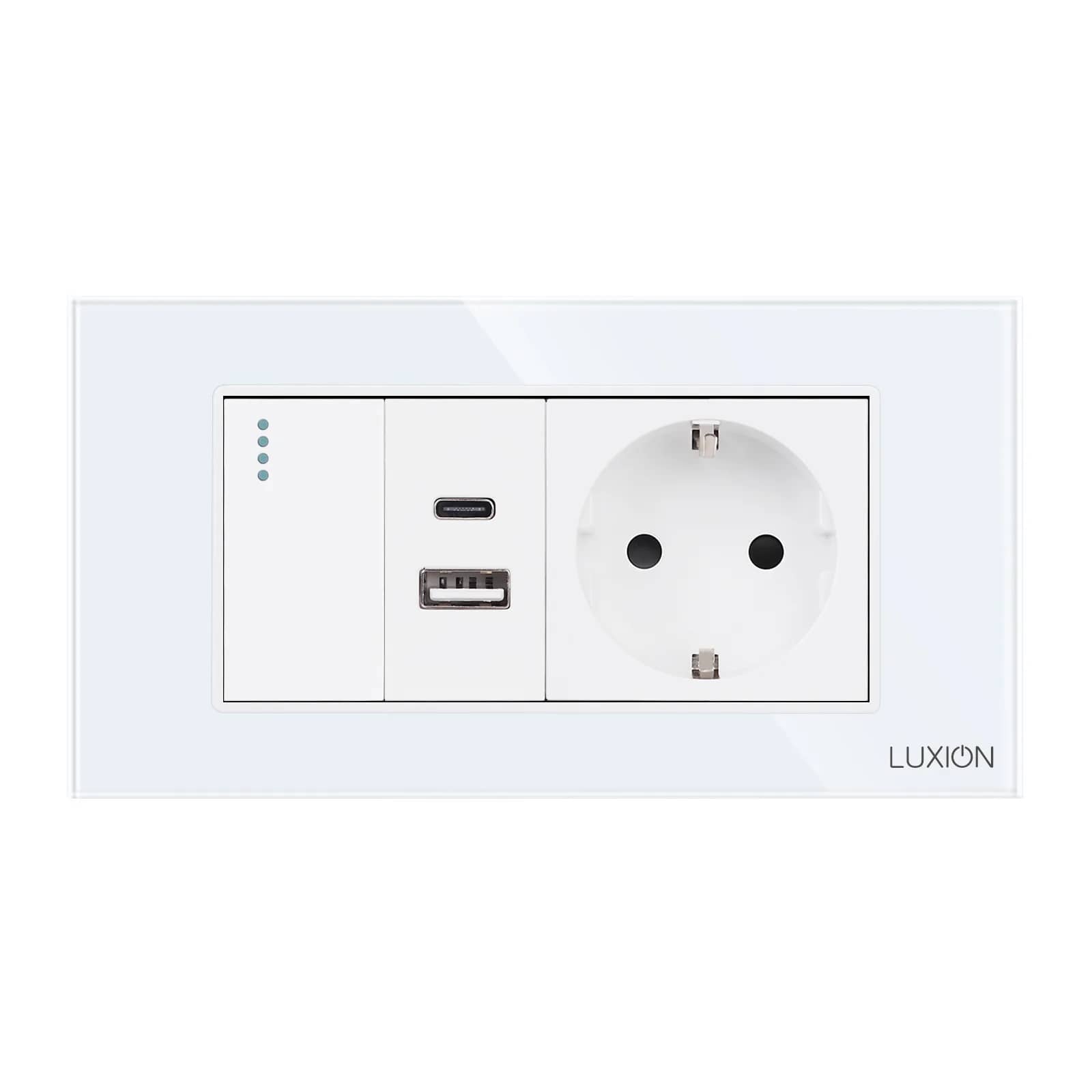
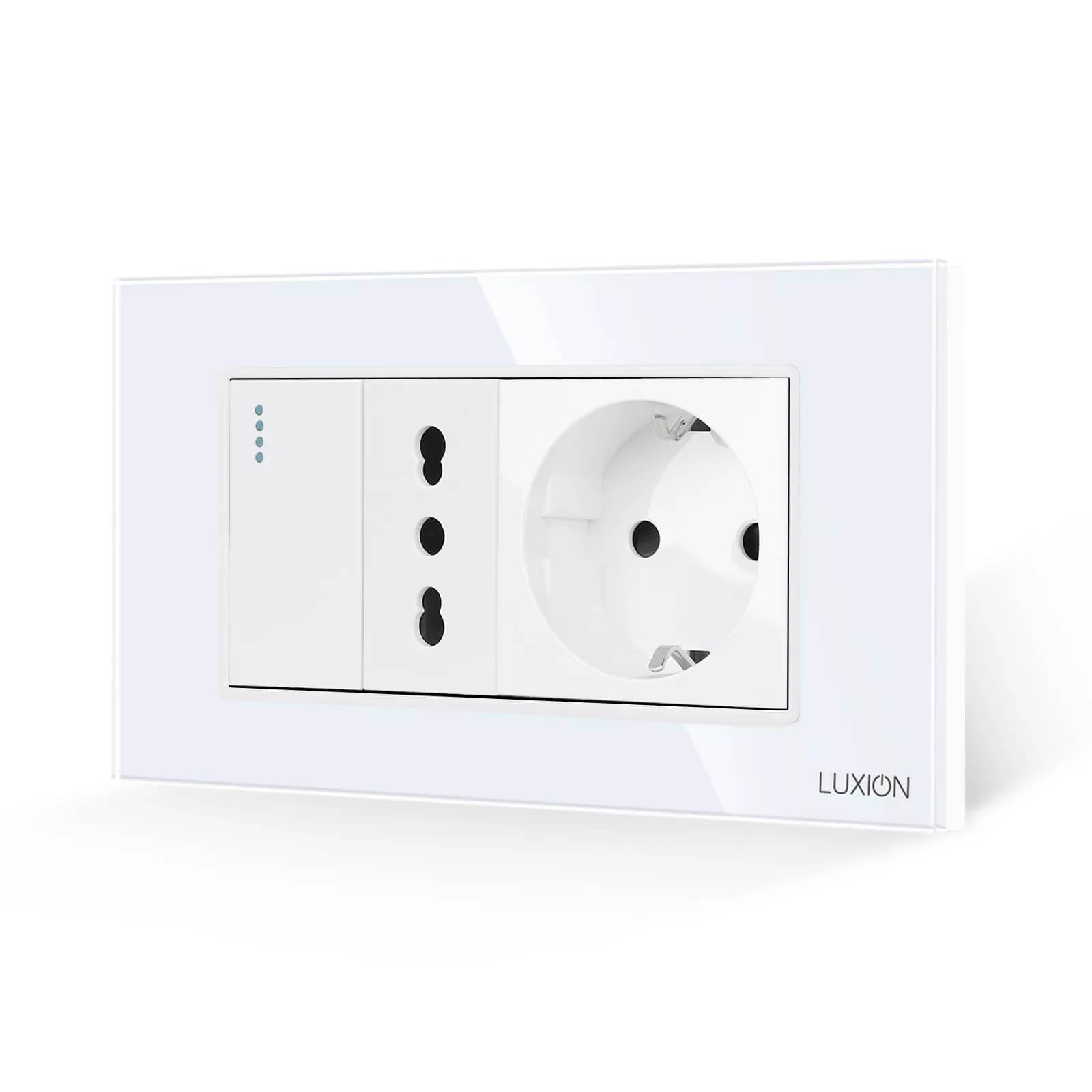
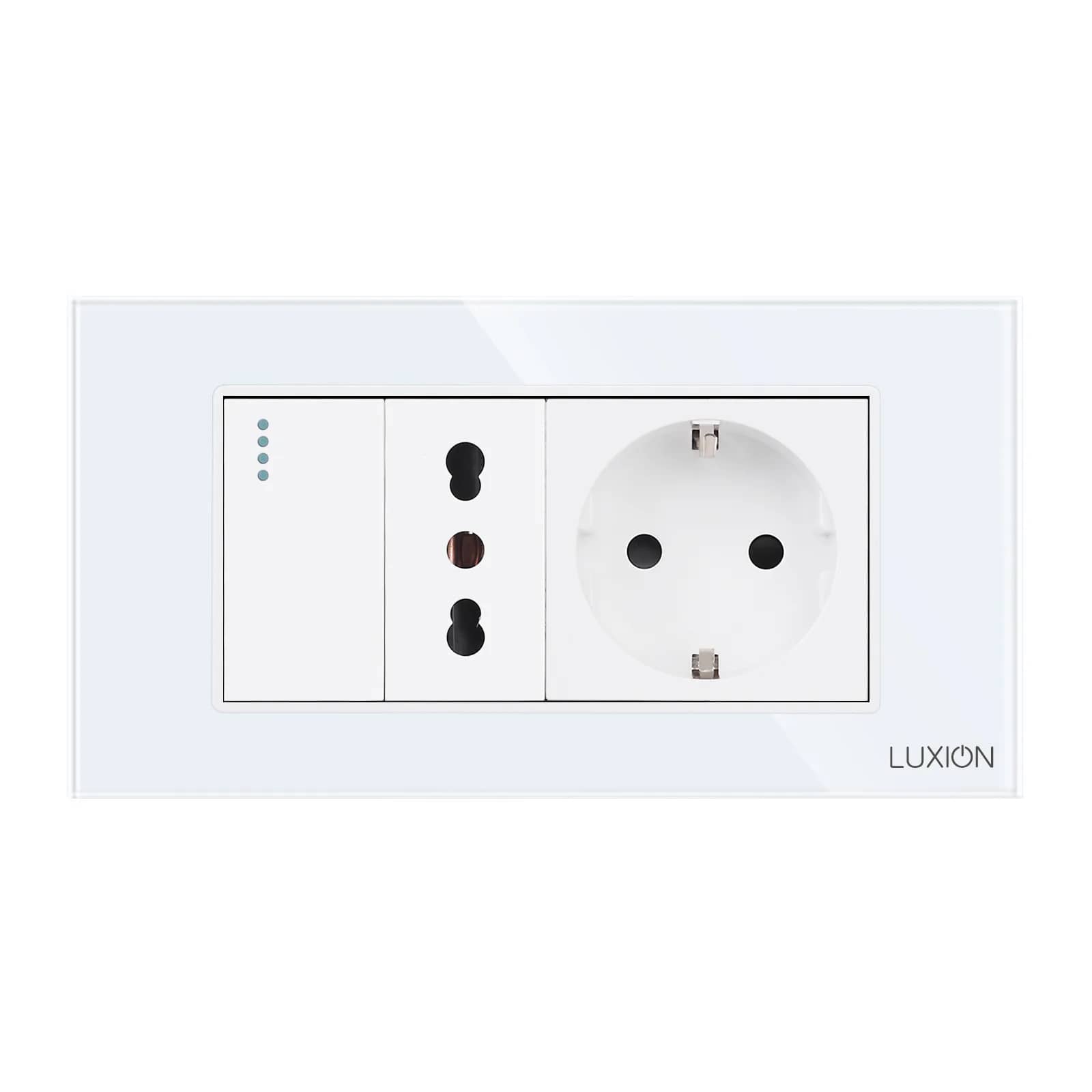
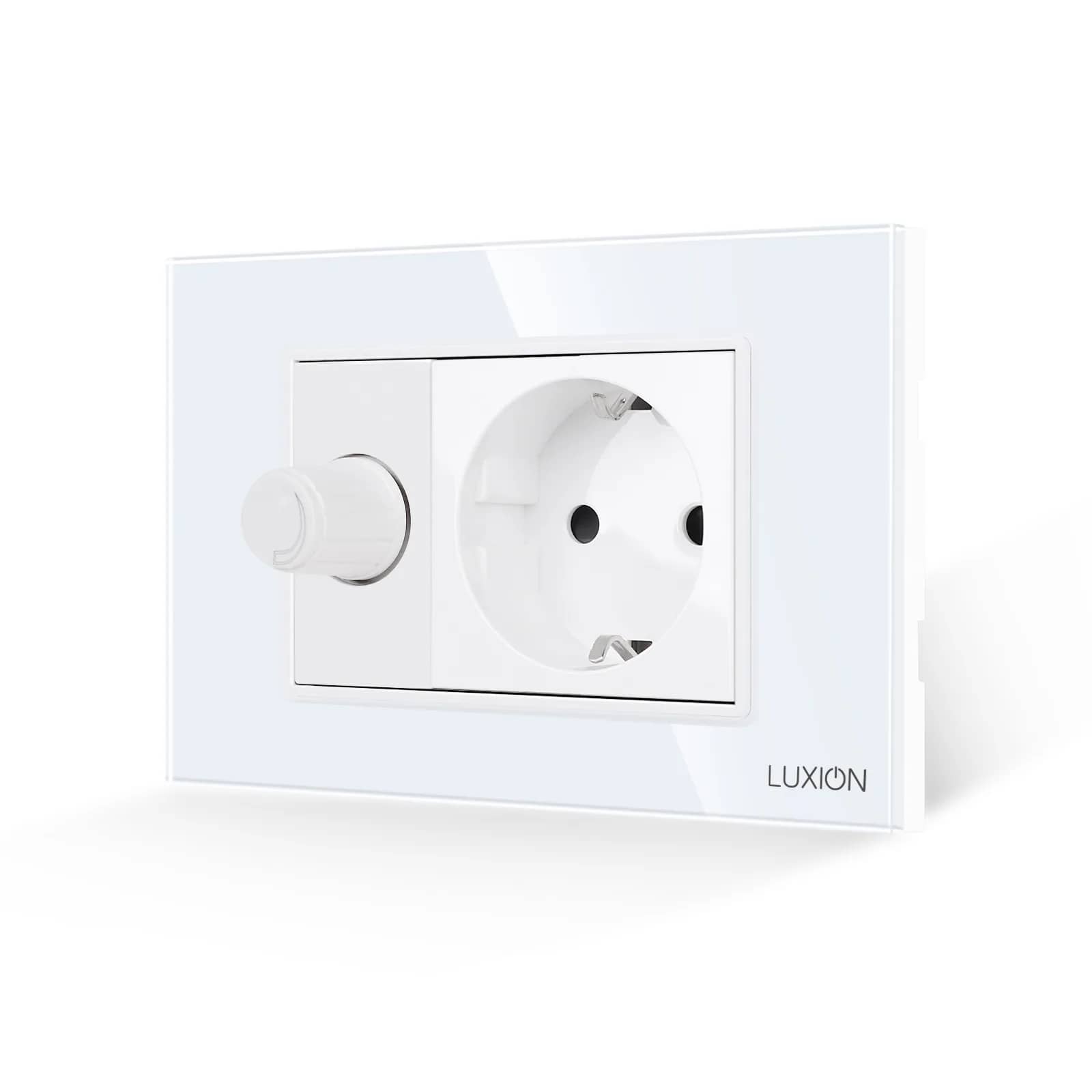
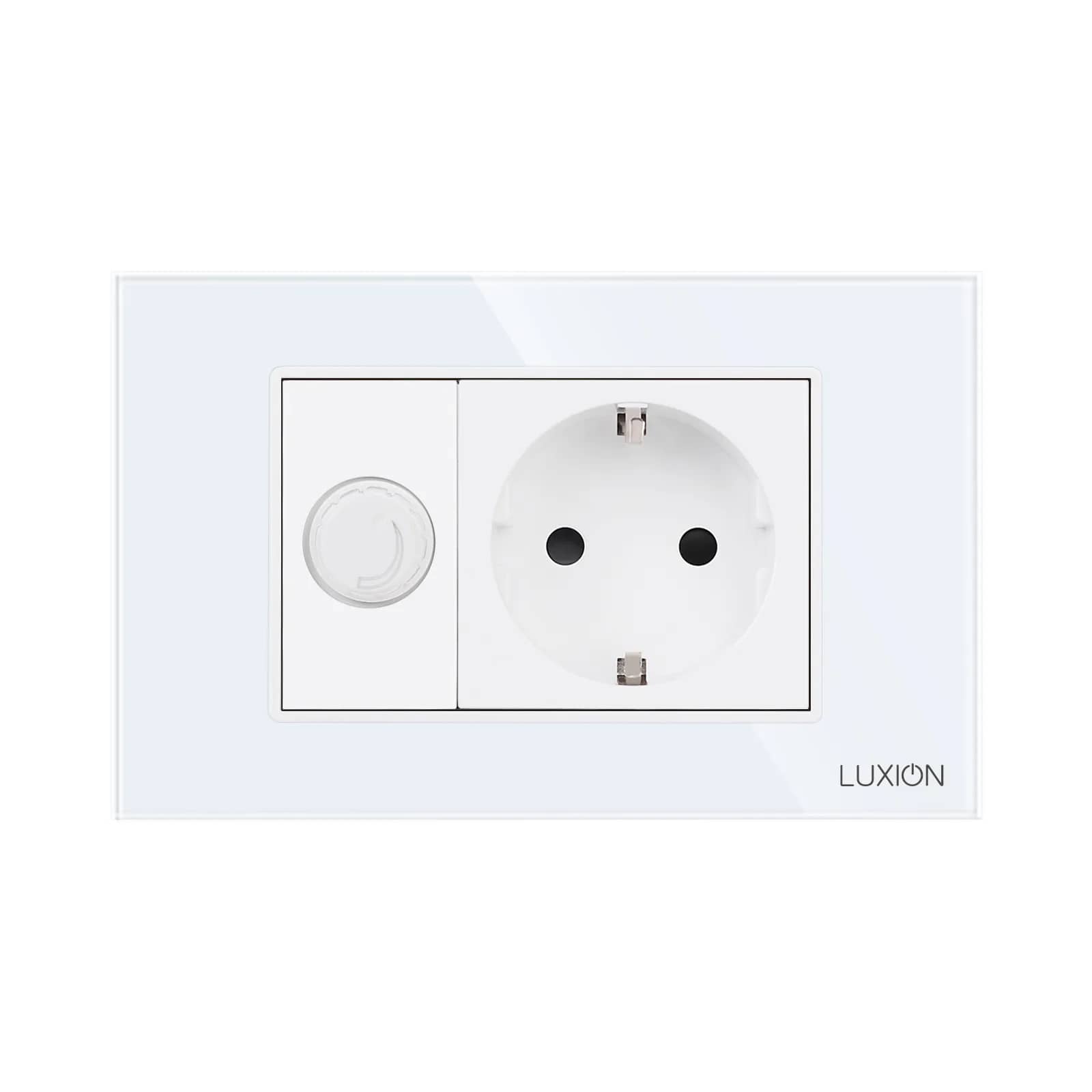
Luxion is the choice when your priority is minimalist looks and hassle-free installation. The panel is compact and elegant, and the touch sensor is precise, similar to a smartphone screen. It comes in series for the Italian standard (rectangular, modular back box) and the German standard (60 mm round back box), so check the box in your wall before ordering.
Smart Luxion versions come in Wi-Fi, Zigbee 2.4 GHz and RF433. Zigbee needs a hub but gives you a very stable network, which is a real advantage when you have many smart devices at home. The available colours (white, black, grey, gold) match the sockets in the same series for a consistent wall.
The differences that matter
1. Range of functions
If you need a dimmer, blind control or a motion sensor, Livolo covers more scenarios from a single range. For classic on/off across one, two or three zones, both are equally good.
2. Wi-Fi vs Zigbee
This choice is not about the brand: both offer Wi-Fi and Zigbee. Wi-Fi is simpler to set up, with no hub and straight into the app. Zigbee needs a hub, but it scales better and does not load your router when you have dozens of devices.
3. Back box standard
Both brands have series for the Italian standard (rectangular 3M, 4M or 6M back box) and the German standard (60 mm round back box). The standard is set by the box already in your wall, not by the brand, so check it before ordering.
4. Price
Luxion has an accessible entry point. Livolo rises in price with advanced functions (dimmer, motion sensor, wireless), but also offers well-priced basic models.
How to choose for your project
- New apartment, simple on/off, balanced budget: Luxion, in the series that matches your back box.
- Home with automation (blinds, dimmers, sensors): Livolo, for its range of functions.
- You want smart control without a hub, as simply as possible: any Wi-Fi model from either brand.
- Large installation, many devices, stability: Zigbee, with the hub of your chosen brand.
- Consistent wall, minimalist look: Luxion, with matching sockets from the same series.
Check before you buy (both brands)
- Neutral wire in the back box: standard touch versions work on two wires without a neutral; smart versions (Wi-Fi, Zigbee) need a neutral. Check your back box before ordering, and have a qualified electrician carry out the installation.
- Bulb wattage: touch sensors usually work correctly with bulbs above about 5W; below that you may see flickering.
- Back box type: German round (60 mm) or Italian rectangular (3M/4M/6M) determines which series suits you.
- Protocol: Wi-Fi (no hub) or Zigbee (with a hub, more stable at scale).
Verdict
Livolo wins on range and versatility. Luxion wins on minimalist design, simple installation and entry price. For most new homes with simple controls, Luxion offers the best value for money; for homes with complex automation, Livolo covers more from a single range.
See all Livolo and Luxion models
Browse our touch light switches, or build a matching wall with our frames and modules.
Frequently asked questions
Livolo or Luxion for a new apartment?
For a new apartment with simple controls (on/off across one, two or three zones), Luxion usually offers the best value for money and straightforward installation. If you want a dimmer or blind control, choose Livolo.
What is the protocol difference, Wi-Fi or Zigbee?
Both brands offer Wi-Fi and Zigbee models. Wi-Fi connects directly to your network without a hub. Zigbee needs the brand's hub, but gives you a more stable network and scales better when you have many smart devices.
Do touch switches need a neutral wire?
Not all of them. A standard touch switch is wired on two wires, like a classic switch: live to terminal L, the lamp to L1, and the neutral goes directly to the light fitting. Smart versions (Wi-Fi and Zigbee) need a neutral because their electronics must be powered permanently. Have a qualified electrician do the wiring.
Do they fit any back box?
No. Each series is made for a specific back box: 60 mm round for the German standard, 3M/4M/6M rectangular for the Italian standard. Both brands have series for both standards, so check the box in your wall before ordering.
Do the switches match the sockets?
Yes. Both brands offer glass sockets in the same series and colours, so you can create a consistent wall. You can also combine frames and modules from the same range so that everything matches.